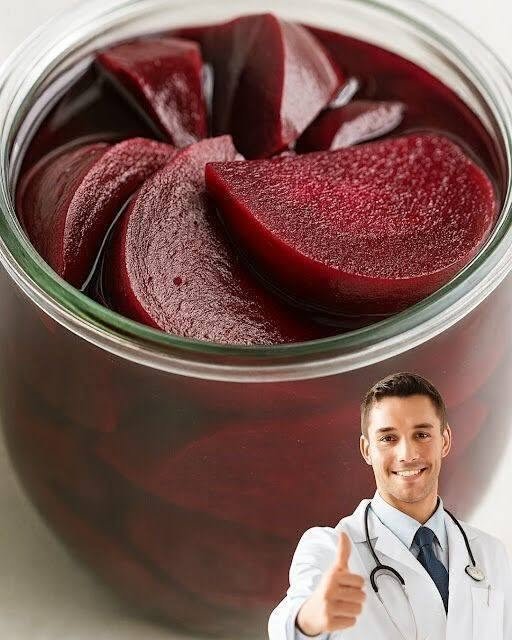
The Beetroot Upgrade: What Happens to Your Body When You Eat Beets?
Beetroot is more than a colorful vegetable. It contains dietary nitrates, fiber, folate, potassium, and antioxidant compounds, and research suggests that regular beetroot—particularly beetroot juice—may have some cardiovascular and exercise-related benefits.
What may happen when you eat beets?
Your blood vessels may relax. Dietary nitrate can be converted in the body to nitric oxide, which helps widen blood vessels. Studies of beetroot juice have found modest reductions in blood pressure, particularly systolic pressure.
P
PubMed
+1
Blood pressure may improve modestly. A 2024 meta-analysis in people with hypertension found an average reduction of about 5 mmHg in systolic blood pressure, although the researchers rated the overall certainty of evidence as low.
P
PubMed
Exercise performance may benefit. Beetroot nitrate has been studied for its potential to improve exercise efficiency and endurance, although results vary depending on the person and type of activity.
You get useful nutrients and fiber. Whole beets provide fiber and several vitamins and minerals, making them a nutritious addition to a balanced diet.
Your urine or stool may turn pink/red. This harmless effect, called beeturia, can occur after eating beets and shouldn’t automatically be mistaken for blood.
A few cautions
Beetroot isn’t a replacement for blood-pressure medication or other prescribed treatment. Because beetroot can lower blood pressure modestly, people taking blood-pressure medicines should avoid assuming that more beetroot juice is better.
Also, people with a history of calcium oxalate kidney stones may want to discuss high beet intake with their healthcare professional, because beets are relatively high in oxalates.
Bottom line: Beets are a nutritious food with promising evidence for modest blood-pressure benefits, largely related to their nitrate content. Think of them as part of a heart-healthy diet—not a miracle cure.
P
PubMed
+1
P
Sources