What Is the Normal Blood Pressure for Each Age?
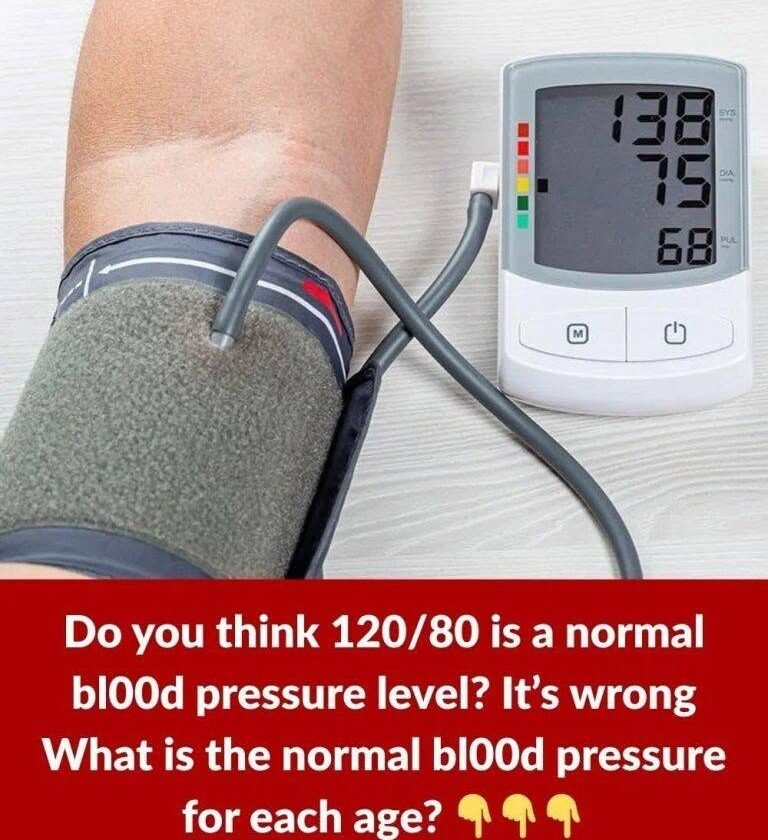
Blood pressure does not have one exact “normal” number for every age. It depends on overall health, medications, and individual risk factors. In general, a healthy adult blood pressure is often around:
- Normal: Less than 120/80 mmHg
- Elevated: 120–129 / less than 80 mmHg
- High blood pressure (hypertension): 130/80 mmHg or higher (depending on guidelines and repeated readings)
Approximate Blood Pressure Ranges by Age
| Age Group | Common Healthy Range (Approximate) |
|---|---|
| Children | Varies greatly by height, sex, and age |
| Teens (13–19) | Around 110–120 / 65–80 mmHg |
| Adults (20–39) | Around 110–130 / 70–85 mmHg |
| Adults (40–59) | Around 120–135 / 70–85 mmHg |
| Adults 60+ | Often around 120–140 / 70–90 mmHg, depending on health status |
For Older Adults
Blood pressure may naturally rise with age because arteries can become less flexible. However, consistently high blood pressure is not considered a normal part of aging because it increases the risk of:
- Stroke
- Heart disease
- Kidney disease
- Vision problems
Many older adults are advised to aim for a blood pressure target set by their healthcare provider based on their overall health, medications, and risk factors.
When Blood Pressure Is Concerning
Seek medical advice if readings are repeatedly:
- 130/80 mmHg or higher (possible hypertension)
- 180/120 mmHg or higher, especially with symptoms such as chest pain, shortness of breath, weakness, confusion, severe headache, or vision changes (possible emergency