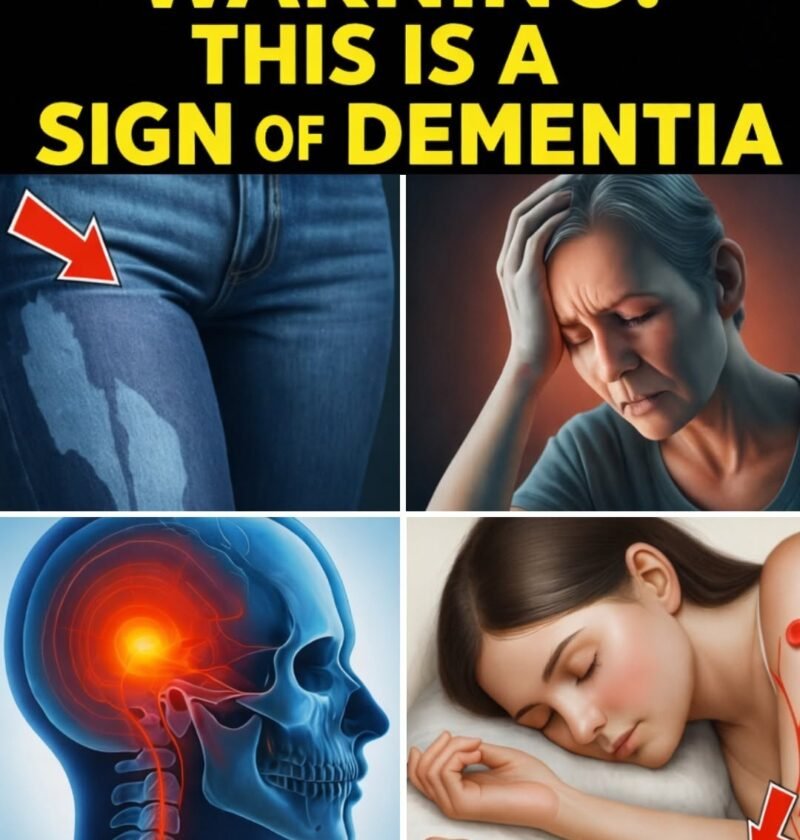
Recognizing the early signs of dementia can be challenging because subtle cognitive changes often mimic normal aging, stress, or fatigue. However, distinguishing between typical age-related memory lapses and progressive neurodegenerative conditions is crucial for early diagnosis and support.
Here is a breakdown of subtle early signs that are frequently overlooked, followed by the classic symptoms used in clinical evaluations.
9 Subtle Early Signs Few People Notice
These nuanced shifts often appear long before memory loss becomes pronounced, primarily affecting executive function, mood, and sensory processing:
-
Subtle Financial Missteps: Missing a bill payment for the first time, struggling to calculate a tip, or making uncharacteristic, impulsive purchases.
-
Loss of Interest in Complex Hobbies: Quietly abandoning intricate crafts, reading challenging books, or playing instruments because the multi-step planning required feels overwhelming.
-
Changes in Driving Habits: Hesitating at green lights, making overly cautious or erratic maneuvers, or getting confused on familiar neighborhood routes.
-
Altered Sense of Smell (Olfactory Decline): Difficulty identifying distinct scents (like coffee, cinnamon, or citrus), which is often one of the earliest biological indicators of neurodegeneration in the brain.
-
Mild Personality or Social Shifts: Becoming uncharacteristically withdrawn, suspicious, irritable, or losing empathy in social settings.
-
Trouble Managing Household Appliances: Fumbling with the settings on a microwave, washing machine, or TV remote that has been used for years.
-
Neglecting Personal Grooming: A noticeable shift in self-care, such as wearing the same clothes repeatedly or letting personal hygiene slide without realizing it.
-
Spatial Misjudgments: Struggling to gauge distances while parking, bumping into doorframes more frequently, or misinterpreting shadows and depth.
-
Repetitive Questioning or Storytelling: Asking the exact same question or telling the identical story multiple times within a short conversation without realizing it was just discussed.
13 Classic Symptoms to Watch For
As cognitive decline progresses, symptoms become more pronounced and begin interfering significantly with daily independence. These align closely with the standard clinical diagnostic criteria:
-
Memory Loss That Disrupts Daily Life: Forgetting recently learned information, important dates, or events, and increasingly relying on reminders or family members for things previously handled independently.
-
Challenges in Planning or Solving Problems: Difficulty developing and following a plan, working with numbers, or tracking monthly bills and recipes.
-
Difficulty Completing Familiar Tasks: Struggling with routine chores like driving to a familiar grocery store, organizing a grocery list, or remembering the rules of a favorite game.
-
Confusion with Time or Place: Losing track of dates, seasons, and the passage of time, or forgetting where they are and how they got there.
-
Trouble Understanding Visual Images and Spatial Relations: Difficulty reading, judging distance, and determining color or contrast, which can impact driving and balance.
-
New Problems with Words in Speaking or Writing: Stopping midway through a conversation with no idea how to continue, struggling with vocabulary, or calling things by the wrong names (e.g., calling a watch a “hand-clock”).
-
Misplacing Things and Losing the Ability to Retrace Steps: Putting items in unusual places (like keys in the refrigerator) and being unable to retrace steps to find them, sometimes leading to accusations that others stole them.
-
Decreased or Poor Judgment: Making decisions that reflect poor financial choices, wearing inappropriate clothing for the weather, or failing to groom properly.
-
Withdrawal from Work or Social Activities: Pulling away from hobbies, social projects, sports, or family gatherings because keeping up with conversations or activities has become too difficult.
-
Changes in Mood and Personality: Experiencing rapid, unprovoked mood swings, becoming easily upset, anxious, depressed, fearful, or suspicious.
-
Disorientation in Familiar Environments: Getting lost while walking or driving in a neighborhood where they have lived for years.
-
Inability to Recognize Close Family Members (in later stages): Struggling to identify familiar faces or misidentifying a spouse or child as someone from their past.
-
Loss of Executive Functioning: Profound inability to reason, abstractly think, or shift attention between multiple tasks.
💡 Important Note on Aging vs. Dementia: Occasional forgetfulness (like misplacing keys or forgetting a word temporarily) is a normal part of aging. However, when memory lapses or behavioral changes consistently disrupt daily life, work, or social interactions, it warrants a professional medical evaluation by a neurologist or geriatric specialist.
Are you or a loved one currently navigating concerning memory changes, or are you looking into cognitive health resources?