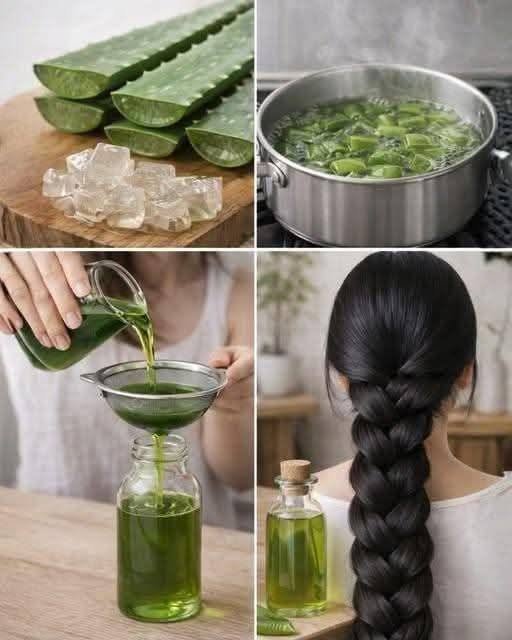
If you’re fact-checking “Aloe Vera and Coconut Oil: The Beauty Secret No One Tells You About,” the ingredients can have useful cosmetic properties, but the headline likely overstates the evidence.
Aloe vera gel can soothe and moisturize irritated skin, and there is some evidence for topical aloe in conditions such as acne and minor burns. However, it isn’t a proven anti-aging or “miracle” treatment.
N
NCCIH
+1
Coconut oil can act as an occlusive moisturizer, helping reduce water loss from dry skin. But it isn’t automatically suitable for every face, particularly acne-prone skin.
Combining them doesn’t create a scientifically established beauty treatment. Dermatologists generally recommend choosing products according to your skin type and concern rather than relying on DIY mixtures.
A
American Academy of Dermatology
+1
Aloe is generally well tolerated on the skin, but it can occasionally cause burning, itching, rash, or eczema.
N
NCCIH
For preventing premature skin aging, daily broad-spectrum SPF 30+ sunscreen and moisturizer have much stronger evidence than a homemade aloe-and-coconut-oil mixture.
A
American Academy of Dermatology
Bottom line: Aloe vera and coconut oil can moisturize or soothe some skin, but calling them a hidden “beauty secret” that dramatically transforms skin is marketing rather than established medical science.
If the post gives a specific aloe + coconut oil recipe (especially one claiming to remove wrinkles, dark spots, or scars), send it to me and I can check that recipe specifically.
N
A
Sources