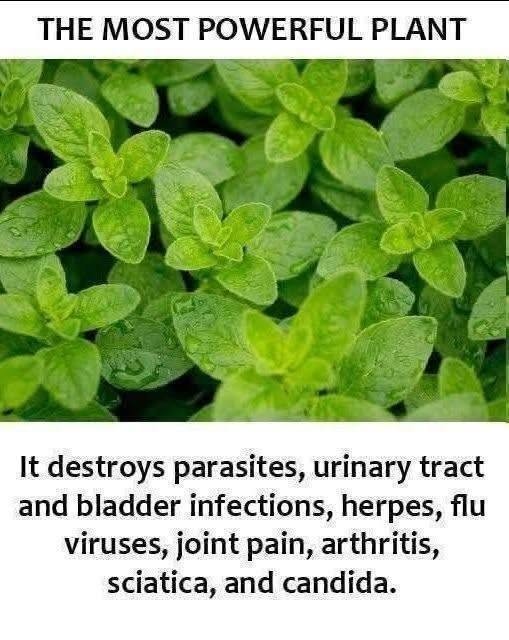
When sensationalized wellness headlines proclaim a “most powerful plant” on earth—whether it’s claiming to instantly cure every disease, reverse aging, or act as an all-encompassing super-remedy—it’s usually clever internet marketing. In reality, no single plant holds the key to total human health.
However, botanists, pharmacologists, and historians do point to certain plants that have had an immense, scientifically proven impact on medicine, nutrition, and human history.
Plants That Actually Changed Human History and Medicine
Rather than a magic cure-all, these botanical powerhouses are celebrated for their profound, proven contributions to science and daily life:
-
The Opium Poppy (Papaver somniferum): The Pain Reliever
-
Why it’s powerful: This plant produces latex that contains morphine and codeine. It gave humanity its first truly effective way to manage severe, excruciating pain. While synthetic derivatives require strict regulation today due to addiction risks, plant-derived opiates remain foundational in modern surgical and emergency medicine.
-
-
The Cinchona Tree (Cinchona officinalis): The Malaria Fighter
-
Why it’s powerful: Native to the Andes, the bark of this tree contains quinine, the very first effective treatment for malaria. Quinine saved millions of lives across centuries and paved the way for modern antimalarial medications.
-
-
The Willow Tree (Salix alba): The Ancient Fever Reducer
-
Why it’s powerful: For thousands of years, people chewed willow bark to relieve pain and reduce fevers. The active compound inside it—salicin—led directly to the creation of aspirin, one of the most widely used medications in human history.
-
-
Cannabis and Hemp (Cannabis sativa): The Versatile Compound
-
Why it’s powerful: Beyond its cultural and medicinal debates, the plant contains cannabinoids like CBD and THC that interact directly with the human endocannabinoid system, showing clinical promise in treating specific types of childhood epilepsy, chronic pain, and spasticity.
-
Why “Superfood” Claims Fall Short
-
The Magic Bullet Fallacy: Marketing loves to attribute miraculous properties to a single exotic herb (like ashwagandha, moringa, or turmeric). While these plants possess genuine bioactive compounds (e.g., curcumin in turmeric has great anti-inflammatory properties), they work best as supportive elements in a healthy lifestyle, not as medical silver bullets.
-
Concentration and Delivery: Eating a sprinkle of a powdered root in a smoothie is rarely clinically equivalent to the standardized, laboratory-extracted compounds used in clinical trials.