Lumbago (Acute Lower Back Pain): Symptoms, Duration, and Treatment
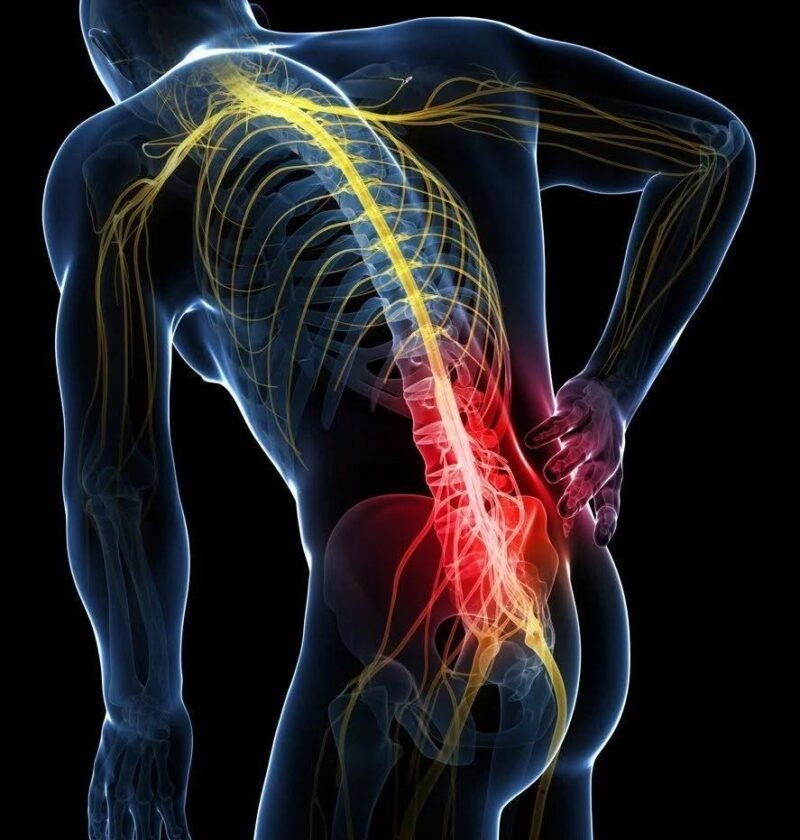
“Lumbago” is a general medical term used to describe sudden, sharp, or dull aching pain in the lower back. It is one of the most common physical complaints worldwide, affecting people of all ages. While it can feel debilitating when it strikes, lumbago is usually a symptom of a mechanical strain or muscle spasm rather than a severe spinal disease.
Understanding what causes it, how long it lasts, and how to treat it can help you manage a flare-up safely.
Common Symptoms of Lumbago
The presentation of lower back pain can vary depending on whether it stems from a muscle strain, a joint issue, or a pinched nerve:
-
Localized Muscle Ache: A dull, persistent ache across the lower lumbar region.
-
Sharp, Stabbing Pain: Sudden intense pain when attempting to twist, bend over, or stand up straight.
-
Muscle Spasms: Tight, rigid knots in the lower back muscles as the body attempts to guard and protect the spine from further movement.
-
Limited Mobility: Stiffness that makes it difficult to walk, sit comfortably, or straighten your posture.
-
Radiating Pain (Sciatica): Sometimes, if a nerve root is irritated, a shooting or burning pain may travel down through the buttocks and into the back of the thigh.
Typical Duration: How Long Does It Last?
For the vast majority of people, acute lumbago follows a predictable healing timeline:
-
Acute Phase (Days 1 to 7): This is when the pain and muscle spasms are most intense, often making daily activities very difficult.
-
Sub-Acute Phase (Weeks 2 to 6): Pain gradually diminishes, though stiffness and mild discomfort may linger during certain movements.
-
Full Recovery: Most acute lower back episodes resolve completely within 4 to 6 weeks, with a large percentage of people feeling significantly better within the first week or two.
Effective Treatment and Management
Treating acute lumbago focuses on reducing pain, calming muscle spasms, and restoring movement rather than complete bed rest.
-
Stay Gently Active: While heavy lifting and intense exercise should be avoided, prolonged bed rest actually delays healing. Short, gentle walks on flat ground keep blood flowing to the area and prevent stiffness.
-
Heat and Cold Therapy: Apply an ice pack wrapped in a cloth for 15–20 minutes at a time during the first 48 hours to reduce acute inflammation. Afterward, switch to a heating pad or warm bath to relax tight, spastic muscles.
-
Over-the-Counter Relief: Nonsteroidal anti-inflammatory drugs (NSAIDs) like ibuprofen or naproxen can help reduce both pain and tissue inflammation. Always follow package directions or consult a pharmacist.
-
Gentle Stretching: Once the initial sharp pain subsides, slow movements like knee-to-chest stretches or gentle cat-cow poses can help mobilize the lower spine.
-
Physical Therapy: If pain persists or recurs frequently, a physical therapist can guide you through targeted core-strengthening and posture-correcting exercises.
Red Flag Symptoms (When to See a Doctor Immediately)
While most lumbago resolves on its own, certain “red flag” symptoms can indicate a serious underlying neurological issue or spinal injury that requires immediate medical attention:
-
Loss of bowel or bladder control (incontinence).
-
Sudden, severe numbness, tingling, or weakness in both legs (“saddle anesthesia” or foot drop).
-
Pain accompanied by an unexplained fever, chills, or sudden weight loss.
-
Pain resulting from a high-impact trauma, such as a car accident or a severe fall.
Did your lower back pain come on suddenly after a specific movement or heavy lift, or did it develop gradually over time?