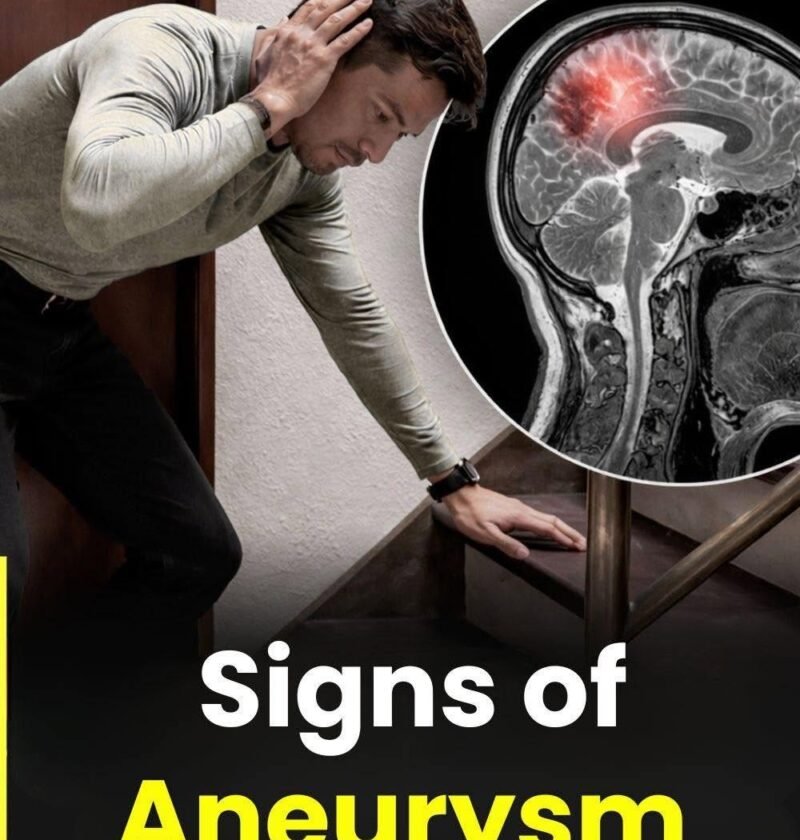
Aneurysm: Signs You Shouldn’t Ignore
An aneurysm is a dangerous, abnormal ballooning or bulge in the wall of a blood vessel. While small aneurysms might go unnoticed, a growing or leaking aneurysm can press on surrounding tissues and nerves. If an aneurysm ruptures, it becomes a life-threatening medical emergency.
Recognizing the warning signs depends heavily on where the aneurysm is located in the body. Here are the critical symptoms you should never ignore:
1. Brain (Cerebral) Aneurysm Symptoms
An unruptured brain aneurysm can cause localized pressure, but a ruptured one causes a sudden, catastrophic event.
-
The “Thunderclap” Headache: A sudden, excruciating headache often described as the “worst headache of your life.”
-
Vision Changes: Double vision, blurred vision, or sudden partial loss of sight.
-
Neurological Shifts: A drooping eyelid, dilated pupil, sudden numbness or weakness on one side of the face or body, and confusion.
2. Aorta Aneurysm Symptoms (Thoracic / Abdominal)
The aorta is the main artery carrying blood from your heart down through your chest and abdomen.
-
Abdominal Aortic Aneurysm (AAA): Deep, constant, throbbing pain in your abdomen, lower back, or flank. You might also feel a distinct, pulsing sensation near your navel (like a heartbeat in your stomach).
-
Thoracic Aortic Aneurysm (Chest): A sharp, tearing pain radiating through your upper back, jaw, neck, or chest, often accompanied by a persistent cough, hoarseness, or sudden difficulty swallowing.
3. Peripheral Aneurysm Symptoms
These occur in blood vessels outside the brain and aorta, most commonly in the legs or arms (such as popliteal aneurysms behind the knee).
-
Pain and Cramping: Noticeable aching or tenderness in the affected limb.
-
Ischemia (Lack of Blood Flow): A cold limb, pale skin, or numbness and tingling if a blood clot forms inside the aneurysm and blocks downstream circulation.
🚨 EMERGENCY WARNING: If you or someone nearby experiences a sudden, explosive “thunderclap” headache, sudden collapse, severe tearing chest or back pain, or sudden stroke-like symptoms, call emergency services immediately. Minutes matter when dealing with a potential rupture.
Have you or someone you know been diagnosed with an aneurysm, or are you looking out for symptoms due to family history or risk factors like high blood pressure?