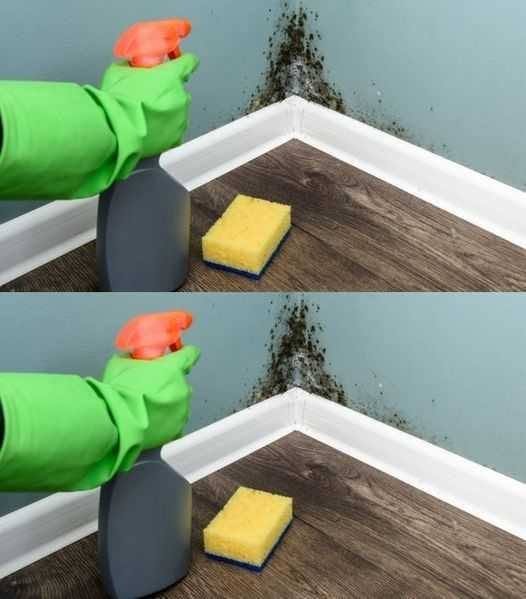
Dealing with moisture and mold on walls requires tackling both the root cause (excess humidity or leaks) and the surface cleanup. Ignoring the moisture will only cause the mold to return.
Here is an effective, step-by-step method to safely remove mold and eliminate moisture from your walls:
Step 1: Fix the Source of Moisture
Before cleaning, you must stop new moisture from feeding the mold.
-
Check for hidden plumbing leaks behind the wall or roof leaks from above.
-
Inspect window seals and exterior walls for cracks where rain might seep in.
-
If the issue is high indoor humidity, identify the source (e.g., poor ventilation in bathrooms or kitchens).
Step 2: Safety First
Mold spores become airborne when disturbed, which can irritate your lungs.
-
Wear rubber gloves, safety goggles, and an N95 mask.
-
Open windows and doors to ensure the room is well-ventilated while you clean.
Step 3: Clean and Kill the Mold
Avoid using plain water or standard soap alone, as they won’t kill the mold roots.
-
For non-porous or painted walls: Mix equal parts white vinegar and water in a spray bottle, or use a commercial mold remover. Spray the affected area, let it sit for 10 to 15 minutes to penetrate the spores, and scrub gently with a soft-bristled brush or sponge.
-
Wipe clean: Wipe down the area with a clean, damp cloth to remove the dead mold and residue, then dry it completely with a towel.
Step 4: Dry Out the Wall
Removing the surface mold is only half the battle; the wall material itself must be completely dry.
-
Place a dehumidifier in the room to pull excess moisture out of the air.
-
Set up box fans or oscillating fans facing directly at the damp wall to speed up evaporation.
-
If weather permits, open windows to encourage cross-ventilation.
Step 5: Prevent Future Growth
-
Consider painting problem areas (like bathroom walls) with an anti-mold or mold-resistant primer and paint.
-
Run exhaust fans during and after showers or cooking, and leave them on for at least 20 minutes to clear the steam.
Note: If the mold covers a very large area (greater than 10 square feet) or has deeply penetrated drywall and structural wood causing structural rot, it is best to call a professional mold remediation specialist.
Is the mold growth located in a high-humidity area like a bathroom, or is it due to a suspected leak?