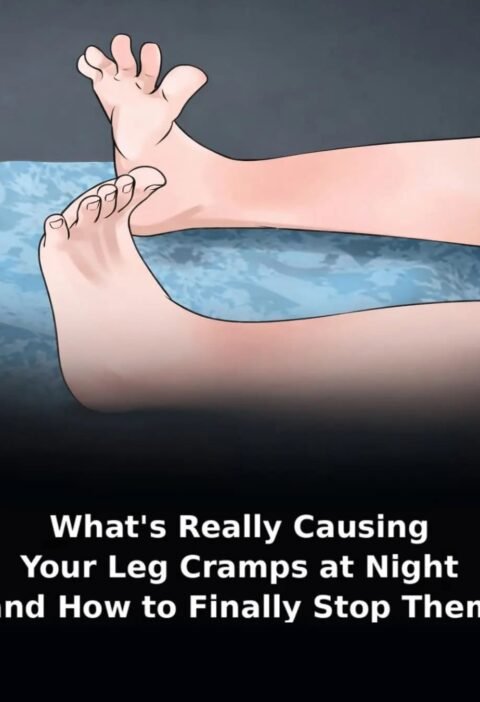
If you experience sudden, painful cramps in your legs at night (often called nocturnal leg cramps), sensationalized headlines or clickbait articles love to claim it means your body is facing an immediate, terrifying crisis. In reality, nighttime leg cramps usually mean your muscles, nerves, or daily habits are experiencing one of the following common triggers:
What Nighttime Leg Cramps Typically Mean
-
Muscle Fatigue or Overexertion: If you stood on your feet all day, pushed through a tough workout, or suddenly increased your physical activity, your muscles are tired and prone to protesting.
-
Prolonged Inactivity: Sitting at a desk or remaining sedentary for long stretches during the day can cause muscles and tendons to shorten and lose flexibility.
-
An Awkward Sleeping Position: Sleeping with your feet pointed downward (plantar flexion) naturally shortens your calf muscles, making them contract and seize up easily when a minor trigger hits.
-
Dehydration or Electrolyte Imbalances: Low levels of key minerals like magnesium, potassium, calcium, or sodium can disrupt normal nerve signaling and muscle relaxation.
-
Age or Normal Physical Changes: The risk of nighttime cramps naturally increases as we get older, often due to the gradual shortening of tendons connecting our muscles and bones.
Simple Ways to Find Relief and Prevention
-
Immediate Relief: When a cramp hits, forcefully flex your foot upward toward your face (stretching your calf), gently massage the muscle, or take a short walk to help it release.
-
Before Bed: Spend 2 to 3 minutes doing light calf and hamstring stretches, and ensure your bed sheets aren’t tucked in so tightly that they force your toes downward.
-
Hydration: Drink plenty of water throughout the day, especially if you are active.
When to Consult a Doctor: While the vast majority of night cramps are harmless (though intensely painful), you should speak with a healthcare provider if your cramps are frequent, severely disrupt your sleep, or are accompanied by swelling, weakness, or numbness.
Do your leg cramps happen frequently, or do they usually only crop up after a particularly long or active day?