What Your Ear Hair Says About Your Health
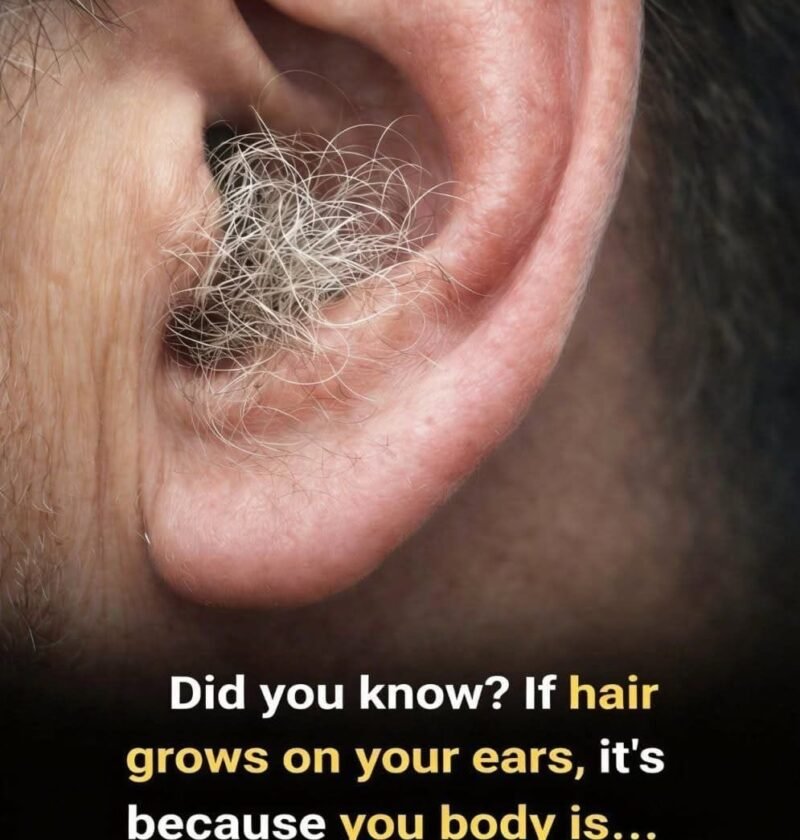
While finding a stray, wiry hair sprouting from your ear might feel like an annoying rite of passage associated with getting older, medical researchers and physicians have looked into what these hairs might reveal about your underlying biology.
Most of the time, ear hair is harmless, but it can occasionally offer a few health insights.
1. Normal Aging and Genetics
For the vast majority of people, ear hair (scientifically known as auricular hypertrichosis) is simply a natural part of aging.
-
Hormonal Sensitivity: As men age, hair follicles in areas like the ears and nose often become increasingly sensitive to androgens (like testosterone). This causes fine peach fuzz (vellus hair) to transform into thick, coarse strands (terminal hair).
-
Family History: Genetics play a massive role in how much body and facial hair you grow, and where it sprouts.
2. The Cardiovascular Health Connection
You might have heard rumors linking ear hair to heart health. Interestingly, medical literature has explored this connection for decades:
-
The Research: Some observational studies have noted a statistical correlation between heavy ear-canal hair and an increased prevalence of coronary artery disease (CAD).
-
The “Younger Man” Context: While older men frequently develop ear hair as a normal part of aging, some doctors note that premature or excessive ear hair in relatively young men—especially when paired with other markers like a diagonal earlobe crease (known as Frank’s sign)—can sometimes prompt a closer look at metabolic or cardiovascular risk factors (such as high blood pressure, high cholesterol, or insulin resistance).
-
The Takeaway: Ear hair on its own is not a diagnostic sign of heart disease. Millions of completely healthy people have it. Think of it less as a direct symptom and more as one minor clinical clue that doctors occasionally notice alongside other metabolic risk factors.
3. Protection for Your Inner Ear
From a purely functional standpoint, ear hair actually plays a helpful physical role. Working hand-in-hand with earwax, the hair inside your ear canal acts as a natural filtration barrier. It helps block dust, debris, tiny particles, and foreign objects from traveling deeper into the ear canal toward your eardrum.
When to Pay Attention
-
Risk of Swimmer’s Ear: An abundance of dense ear hair can sometimes trap water or moisture inside the ear canal, slightly increasing your risk of developing otitis externa (swimmer’s ear).
-
Safe Removal: If you choose to manage ear hair for cosmetic reasons, rely on gentle methods like trimming with an electric trimmer or visiting a professional. Avoid deep insertion of sharp objects, and be cautious with alternative methods like burning/singeing (which can release irritating smoke and cause accidental burns).
Are you noticing new hair growth and wondering if it’s connected to other specific symptoms you’re experiencing?