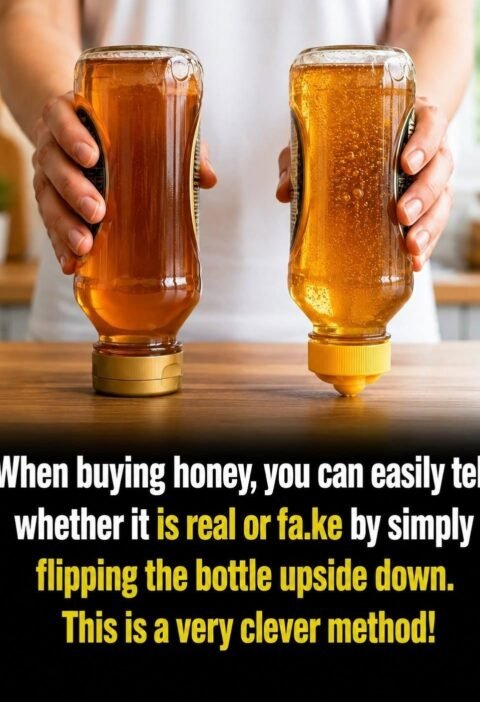
When you pick up a jar of honey from a standard grocery store shelf, there is a surprisingly high chance you aren’t buying pure bee-made nectar. The global honey market has a significant issue with adulteration—meaning commercial honey is frequently cut, diluted, or entirely replaced with cheap adjuncts like rice syrup, corn syrup, cane sugar, or beet sugar.
Navigating the market requires looking past marketing buzzwords to understand how to spot the genuine article.
How to Spot Fake vs. Real Honey
| Feature | Real (Pure & Raw) Honey | Fake or Adulterated Honey |
| Texture & Flow | Viscous, thick, and flows slowly off a spoon. May naturally crystallize over time. | Often overly watery, runny, or unnaturally gel-like. Stays liquid indefinitely. |
| Flavor Profile | Complex and layered. Starts sweet, but evolves with floral, woody, or herbal notes, leaving a lingering finish. | Flat, one-note sugary sweetness with no lingering aftertaste or complexity. |
| Aroma | Carries a subtle, living scent of flowers, herbs, or the hive. | Smell is virtually absent, or smells aggressively like candy or plain sugar. |
| Behavior in Water | Tends to sink or settle in a cohesive lump to the bottom of a glass before slowly dissolving. | Dissolves or disperses rapidly into the water with minimal stirring. |
| Label Transparency | Lists specific floral sources, regions, batch numbers, and sometimes lab testing details. | Vague phrasing like “a blend of non-country honey” or generic statements with zero origin details. |
Red Flags on Honey Labels
-
The “Blend” Trap: If a label says something vague like “Product of multiple countries” or “A blend of honey from non-EU/imported sources,” it is a massive warning sign. Mass-blended commercial honeys are the most heavily altered.
-
Suspiciously Low Prices: Real beekeeping requires immense time, labor, and care. If a large bottle of honey costs less than the sugar required to produce it, it is economically impossible for it to be pure.
-
Perpetual Perfection: Real raw honey will eventually crystallize, turn cloudy, or solidify. If a bottle remains crystal clear and entirely liquid for years on end, it has likely been heavily filtered, pasteurized, or cut with syrup.
The Best Way to Guarantee Purity
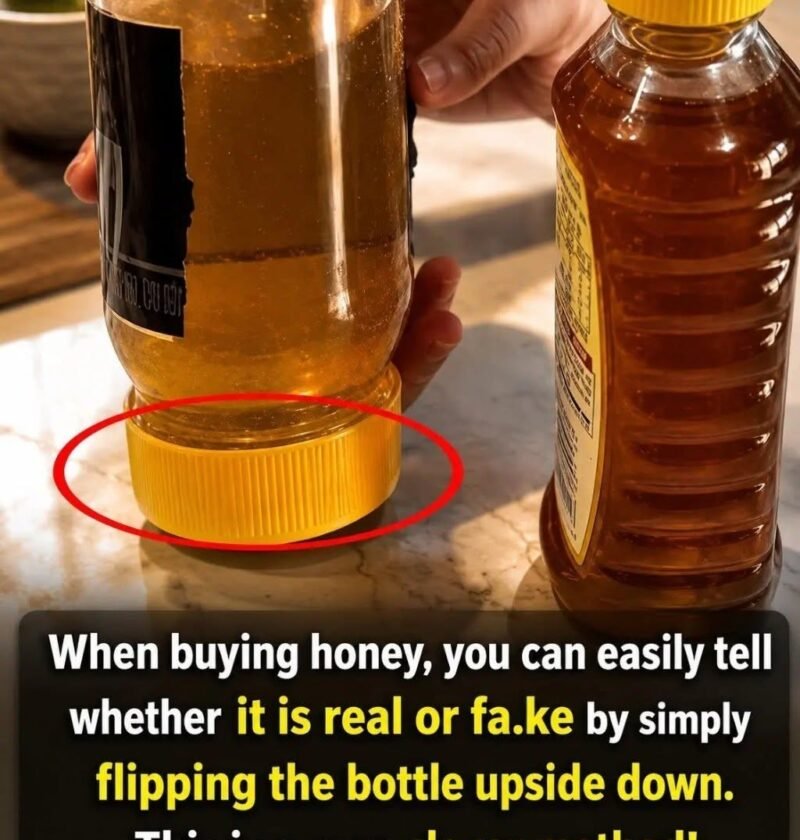
Internet tricks—like the thumb test or the flame test—are largely folklore and scientifically unreliable. The absolute safest bets for buying real honey are:
-
Buy Local: Purchase directly from local apiaries or farmers’ markets where you can talk to the beekeeper.
-
Look for Traceability: Choose brands that proudly list the specific region, flower source, and harvest batch on the jar.
Have you noticed anything unusual about the texture or taste of the honey in your pantry lately?