The Homemade Herbicide That Actually Works
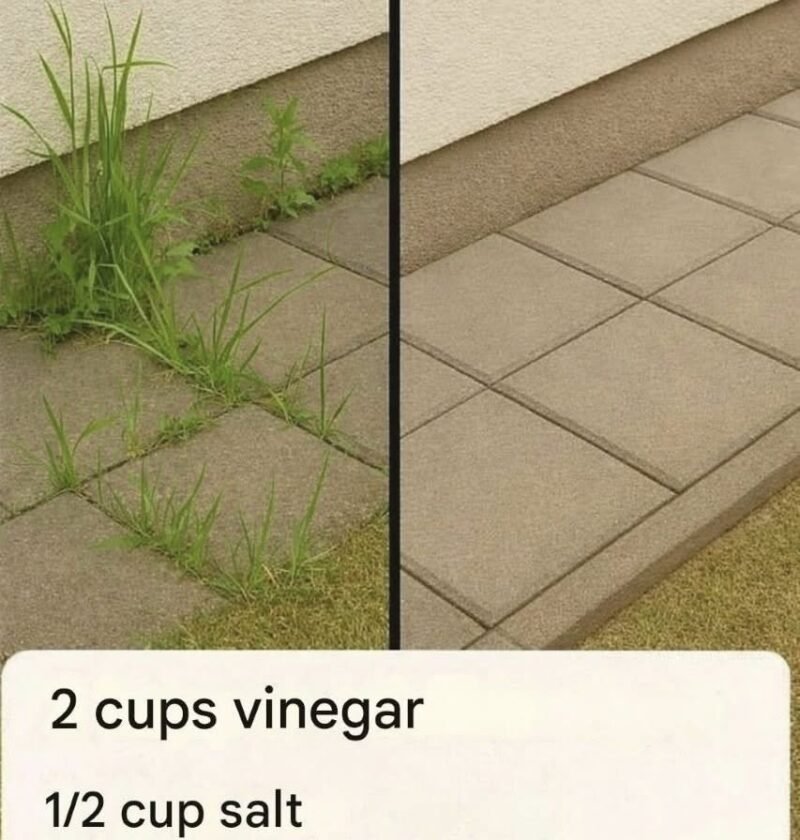
One popular DIY weed killer is vinegar, but the “gentle on your garden” part needs a big qualification.
Acetic acid—the active ingredient in vinegar—can kill weeds by damaging the foliage it contacts. Research and university extension guidance show that it works best on small, young annual weeds. Larger perennial weeds can recover because the treatment generally doesn’t kill their roots.
U
University of Maryland Extension
+1
A safer approach
Rather than making a concentrated homemade pesticide from kitchen ingredients, use a commercially labeled acetic-acid herbicide according to its directions. Household vinegar is typically only about 4–6% acetic acid and is much less effective against established weeds.
N
National Pesticide Information Center
+1
Avoid the viral vinegar + salt recipes. Salt can accumulate in soil and harm desirable plants, while homemade pesticide mixtures haven’t been adequately tested for effectiveness or safety.
U
UConn Extension
+1
And remember: acetic acid is non-selective—it can damage flowers, vegetables, grass, and other plants it touches. Strong horticultural vinegar can also cause serious skin and eye burns, so follow the product label and protective-equipment requirements.
U
University of Maryland Extension
+1
For garden beds, mulch, hand-weeding, and cultivation are often safer long-term options than repeatedly spraying vinegar.
A
ask.extension.org
U
N
U
Sources