Vitamin Habits, Stroke Risk & Brain Health in Older Adults
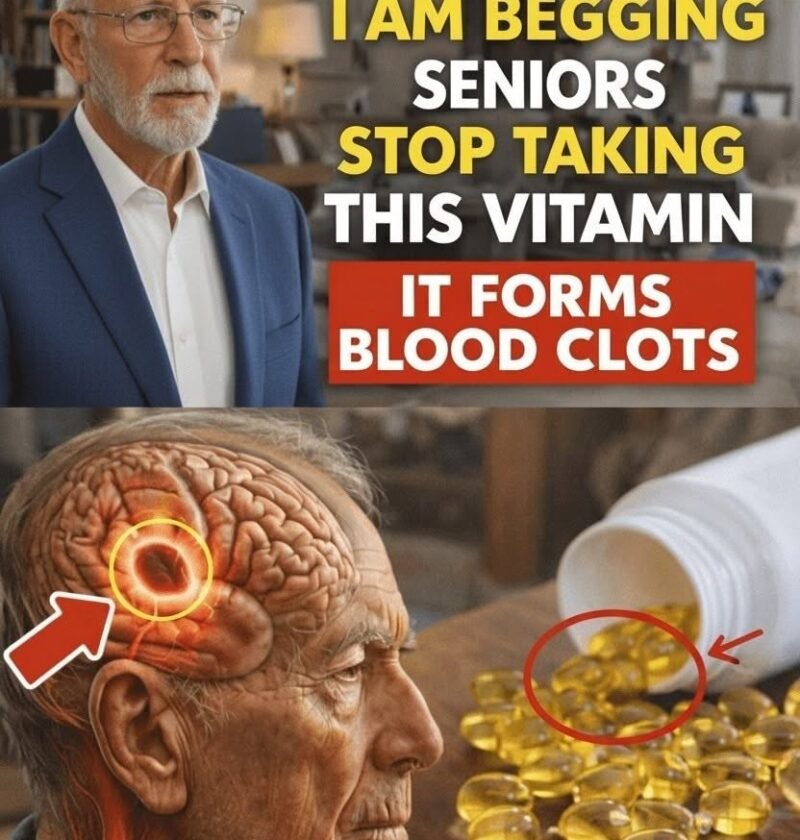
There is no single vitamin that can reliably prevent stroke or dementia. For adults over 65, the bigger picture—blood pressure, cholesterol, blood sugar, physical activity, diet, sleep and smoking—has much stronger evidence for protecting brain and cardiovascular health.
What about vitamin supplements?
- B vitamins: Correcting a genuine B12 or folate deficiency is important, but taking B vitamins routinely doesn’t appear to prevent cognitive decline in otherwise healthy older adults.
- Vitamin D: Important for people who are deficient, but it shouldn’t be viewed as a stand-alone stroke or dementia prevention treatment.
- Multivitamins: Some research has found possible improvements in memory or cognition in older adults, but the evidence is still evolving and doesn’t establish that everyone should take one. NIH notes that further research is needed.
- High-dose supplements aren’t automatically better. Some supplements can interact with medicines or cause harm at excessive doses.
🥗 What matters more for brain health?
A Mediterranean-style eating pattern, regular physical activity, adequate sleep, avoiding tobacco, and controlling high blood pressure, cholesterol and diabetes have considerably stronger support for stroke and brain-health prevention.
In particular, blood-pressure control is one of the most important modifiable ways to reduce stroke risk.
A practical approach
Rather than taking a large collection of supplements, aim to get most nutrients from vegetables, fruits, whole grains, beans, nuts, seeds and fish, and ask your clinician about testing or supplementation if you have symptoms or a reason to suspect a deficiency.