What Is Normal Blood Pressure for Your Age? A Clear, Updated Guide
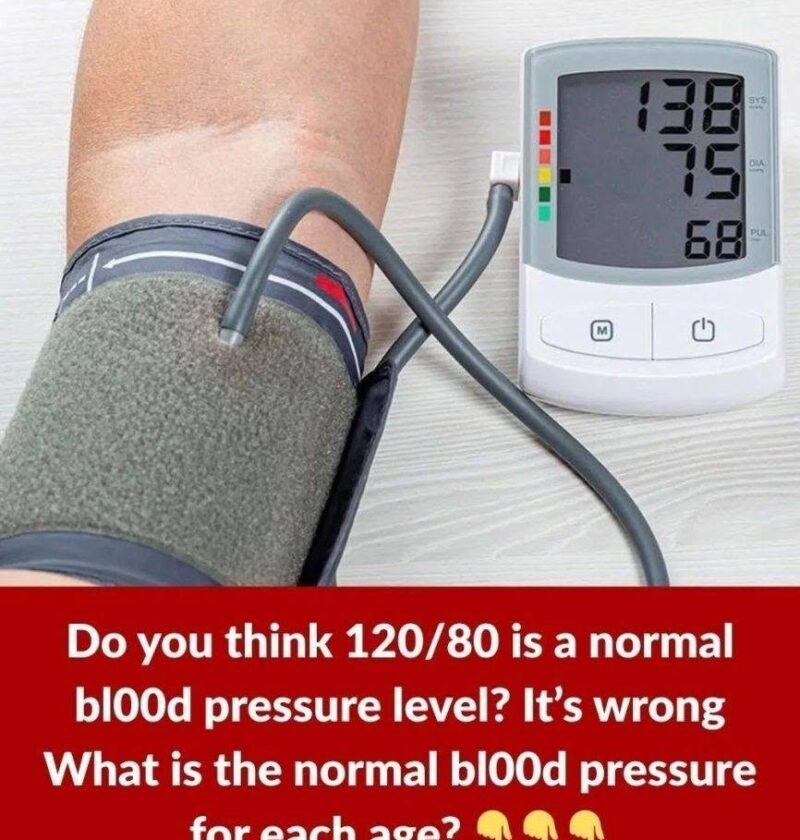
A common misconception is that older adults are supposed to have higher “normal” blood pressure. Current U.S. guidelines don’t define a different normal BP simply because you’re 65, 75, or 85. For adults, normal blood pressure is below 120/80 mmHg.
🩺 Adult blood-pressure categories
| Blood pressure | Category |
|---|---|
| Below 120/80 | Normal |
| 120–129 and below 80 | Elevated |
| 130–139 or 80–89 | Stage 1 hypertension |
| 140 or higher, or 90 or higher | Stage 2 hypertension |
| Over 180 and/or 120 | Severe hypertension |
What about people over 65?
Someone who is 70 or 80 doesn’t automatically have a normal BP of 140/90 simply because of age. The 2025 AHA/ACC guideline gives an overall treatment goal of below 130/80 mmHg for adults, although doctors may individualize treatment for people who are frail, have limited life expectancy, are pregnant, or have other special circumstances.
One reading isn’t enough
Blood pressure naturally changes throughout the day. For a more useful home measurement, rest quietly for about 5 minutes, don’t talk during the measurement, and take two readings about a minute apart. Repeated readings over several days provide a much better picture than one isolated number.
🚨 When is it dangerously high?
A reading above 180/120 mmHg is severely elevated. If it occurs with chest pain, shortness of breath, weakness or numbness, vision changes, severe headache, back pain, or difficulty speaking, seek emergency medical care immediately.