Sarcopenia: Causes of Muscle Loss and What Helps
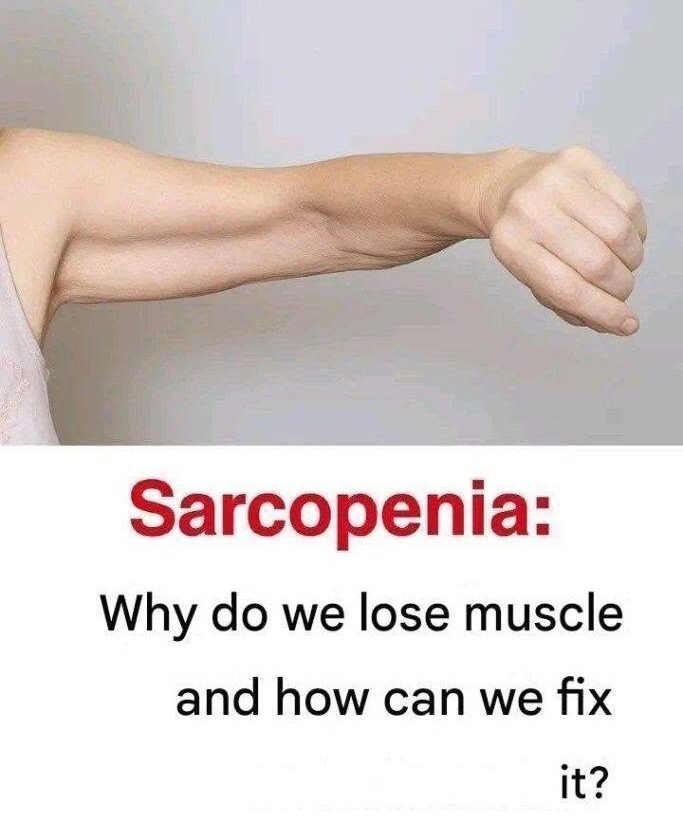
Sarcopenia is the age-associated loss of muscle strength and muscle mass. It can make everyday activities—such as climbing stairs, getting out of a chair or walking—more difficult and can increase the risk of falls and fractures.
Why does muscle loss happen?
Several factors can contribute:
- Aging: Muscle mass and strength naturally decline with age.
- Inactivity: Bed rest, prolonged sitting and a sedentary lifestyle accelerate muscle loss.
- Insufficient protein or calories: Poor nutrition can make it harder to maintain muscle.
- Chronic diseases: Conditions such as COPD, heart failure and kidney disease can contribute to secondary sarcopenia.
- Weight loss without strength training: Losing weight can also mean losing valuable muscle.
🏋️ The most important treatment: resistance exercise
Strength training is the cornerstone of sarcopenia treatment. This can include resistance bands, weights, machines, or controlled body-weight exercises such as chair stands.
A 2026 systematic review of randomized trials found that resistance exercise significantly improved grip strength, walking speed, muscle mass and performance on the five-times-sit-to-stand test in older adults with sarcopenia.
Start at an appropriate level and increase resistance gradually. If you’re frail, have significant weakness, or have medical conditions affecting exercise, a physical therapist or other healthcare professional can help design a safe program.
🍳 Don’t forget protein
Adequate protein is important for maintaining muscle. Some clinical guidelines suggest approximately 1.0–1.5 g of protein per kg of body weight per day for older adults with sarcopenia, with the appropriate amount depending on health status.
Good sources include:
- Eggs
- Fish and poultry
- Greek yogurt and other dairy
- Beans and lentils
- Tofu and other soy foods
- Nuts and seeds
If you have significant kidney disease, don’t increase protein substantially without discussing it with your healthcare professional.
🚶 Combine strength, balance and aerobic activity
Walking and other aerobic exercise are valuable for overall health, while balance exercises can help with mobility and fall prevention. But resistance training should remain a central component when the goal is rebuilding strength.
🚩 When should muscle loss be evaluated?
If you’re experiencing unexplained weakness, repeated falls, difficulty rising from a chair, slower walking, or substantial unintentional weight loss, talk with a healthcare professional. Muscle weakness isn’t always sarcopenia and can sometimes signal another treatable condition.