What Does Ear Hair Really Say About Your Health?
Seeing more hair on or around your ears as you get older is usually a normal part of aging—not a warning sign that your body is failing.
🧬 Why does ear hair increase with age?
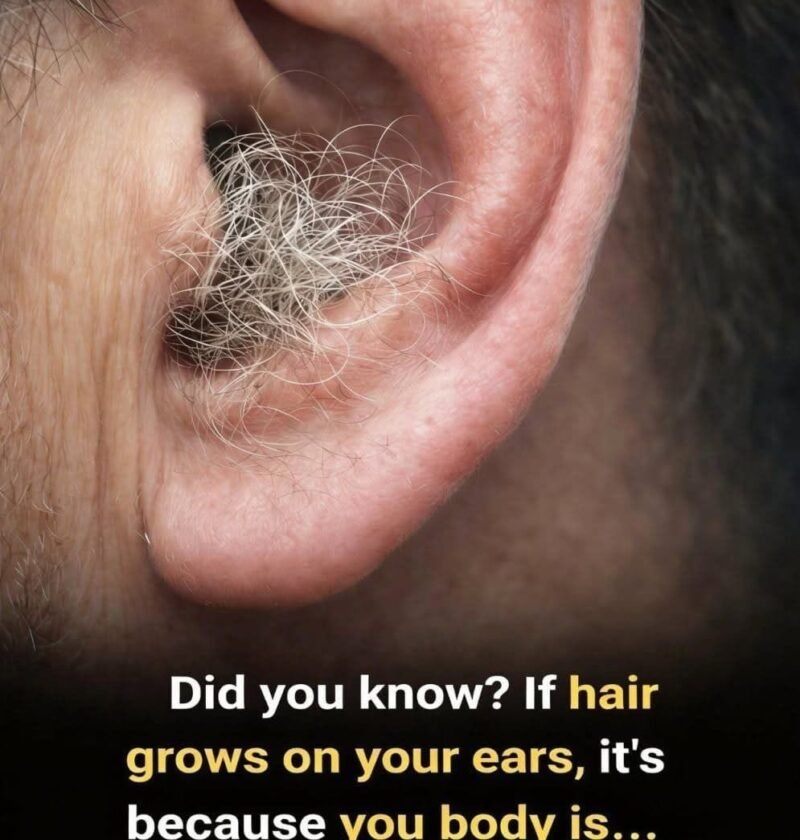
Ear hair is influenced by genetics, aging and androgen hormones. In many men, hairs around the ears and in the outer ear can gradually become longer, thicker and more noticeable with age.
Ear hair also has a useful role: it helps trap debris and works with earwax to protect and naturally clean the ear canal.
❤️ Does ear hair mean you have heart disease?
You’ve probably seen claims that hairy ears are a sign of heart disease. Ear hair by itself is not a reliable way to diagnose heart disease. You shouldn’t use the appearance of your ears as a substitute for checking blood pressure, cholesterol, diabetes risk and other established cardiovascular risk factors.
⚠️ When might unusual hair growth deserve attention?
If you suddenly develop rapid, widespread or unusually coarse hair growth, particularly along with other hormonal changes, it’s worth discussing with a healthcare professional. Excess body hair can sometimes be associated with hormonal disorders, depending on the pattern and the person.
But ordinary gradual ear-hair growth with aging generally doesn’t require medical treatment.
✂️ Can you safely remove it?
If it’s bothersome, trimming the hair on the outer ear is generally preferable to putting sharp objects deep into the ear canal. Excessive ear hair can occasionally contribute to blockage or make it easier for moisture and debris to become trapped.