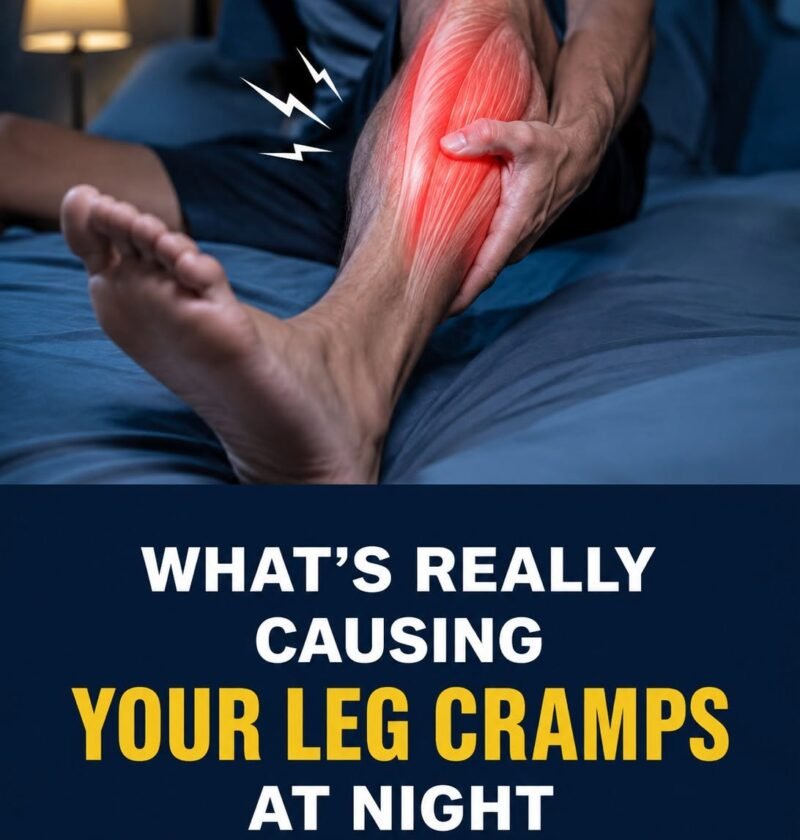
Leg Cramps at Night: Causes, Prevention & Treatment
Nighttime leg cramps are sudden, painful tightening of a muscle, most often in the calf, although the foot or thigh can also be affected. They usually last seconds to several minutes and are generally harmless, but frequent cramps can significantly disrupt sleep.
What causes nighttime leg cramps?
Often, there is no single identifiable cause. Risk increases with age, and possible contributors include:
- Dehydration
- Muscle fatigue or overuse
- Long periods of inactivity
- Pregnancy
- Certain medicines, including some diuretics and cholesterol medicines
- Diabetes or nerve problems
- Kidney, thyroid, or circulation disorders
A cramp isn’t necessarily evidence that you’re deficient in magnesium or potassium. Don’t automatically start supplements without determining the cause.
What to do when a cramp starts
1. Stretch the muscle.
For a calf cramp, straighten your leg and gently pull your toes upward toward your face.
2. Stand and put weight on the affected leg if you can do so safely.
3. Massage the muscle gently.
4. Try warmth.
A warm shower or bath directed at the cramped muscle can help it relax. Cold may also help lingering soreness.
How to reduce future cramps
- Stay adequately hydrated, particularly after exercise or sweating.
- Stretch your calves regularly, including before bedtime.
- A few minutes of gentle activity, such as stationary cycling, before bed may help.
- Wear comfortable, supportive footwear.
- If your bedding forces your feet downward, try loosening the covers around your feet.
When should you see a doctor?
Arrange a medical evaluation if cramps:
- Regularly disturb your sleep
- Last longer than 10 minutes
- Keep returning despite self-care
- Occur with leg swelling, numbness, persistent pain, or muscle weakness
Also discuss recurring cramps if you’ve recently started a medication or take medicines for blood pressure or cholesterol, since some medications can be associated with muscle cramps.
Seek urgent medical care if a severe cramp doesn’t stop, particularly if it is accompanied by other concerning symptoms.