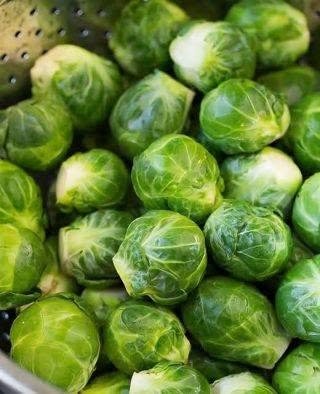
Absolutely—Brussels sprouts are a healthy vegetable, but they’re definitely one of those foods people either love or avoid. 😄
🥬 Why they’re worth eating
Brussels sprouts are rich in:
- Fiber — supports digestion and helps you feel full.
- Vitamin C — important for immune function and collagen production.
- Vitamin K — important for normal blood clotting and bone health.
- Folate — helps with cell growth and normal red blood-cell formation.
- Glucosinolates — plant compounds found in cruciferous vegetables that are being studied for potential health benefits.
😋 The cooking method makes a huge difference
Boiling them until they’re mushy can produce the strong sulfurous smell that gives Brussels sprouts their bad reputation.
Try roasting them with a little olive oil, salt, and pepper until the edges are browned and crispy. You can also sauté them or air-fry them.
One caveat: if you take warfarin, don’t suddenly make a large change in how many Brussels sprouts or other vitamin-K-rich vegetables you eat. Keep your intake reasonably consistent and discuss major dietary changes with your clinician.