7 “Blood-Thinning Foods” You Should Know About 🩸
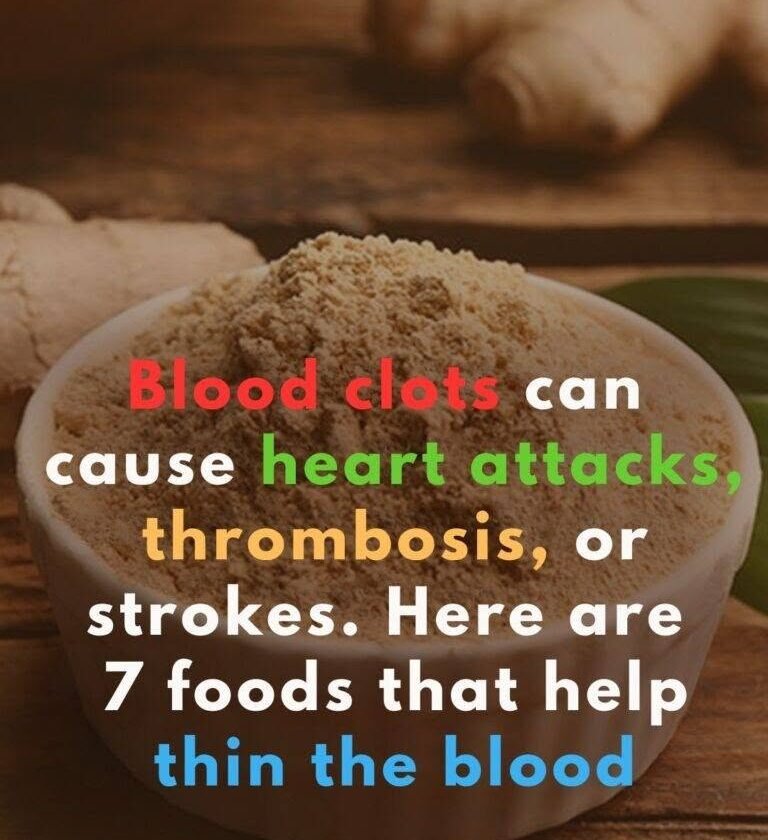
The phrase “blood-thinning foods” is misleading. Foods don’t work like prescription anticoagulants, and you shouldn’t use food to replace medication prescribed to prevent blood clots.
Some foods contain compounds that may have modest effects on platelet activity or clotting, but the evidence isn’t strong enough to call them reliable blood thinners.
Foods commonly discussed
- 🧄 Garlic — may have mild effects on platelet function, particularly in concentrated supplement forms.
- 🫚 Ginger — has been studied for possible effects on platelet aggregation.
- 🐟 Fatty fish — salmon, sardines and mackerel provide omega-3 fatty acids that support cardiovascular health.
- 🫐 Berries — provide polyphenols and are part of a heart-healthy diet.
- 🫒 Extra-virgin olive oil — a source of unsaturated fats associated with cardiovascular benefits.
- 🌰 Nuts — provide healthy fats and other nutrients beneficial for cardiovascular health.
- 🍅 Tomatoes — contain compounds such as lycopene and can be part of a heart-healthy eating pattern.
⚠️ Important if you take a blood thinner
If you’re taking warfarin, don’t suddenly increase or eliminate foods high in vitamin K, such as spinach, kale, broccoli and cabbage. You can generally eat them, but keeping your intake consistent helps keep your INR stable. (nhs.uk)
Also, garlic, ginger and other herbal products can potentially interact with anticoagulant medicines. Supplements are particularly important to discuss with your pharmacist or doctor. (nhs.uk)
And don’t start aspirin or another anticoagulant simply because you want to “thin your blood.”
Bottom line: There is no food that safely substitutes for prescribed blood-thinning medication. A balanced diet rich in vegetables, fruit, whole grains, fish, nuts and healthy fats is a much better goal than trying to make your blood “thinner” through individual foods.