Leg Cramps at Night: Causes, Prevention & Treatment 🌙🦵
Nighttime leg cramps are sudden, painful muscle contractions, most often in the calf, although the feet and thighs can also be affected. They’re common and usually harmless, but frequent cramps can sometimes be related to medications or an underlying health problem. (Mayo Clinic)
Common causes
- Age-related muscle changes
- Dehydration
- Muscle fatigue or strenuous exercise
- Long periods of inactivity or sitting
- Pregnancy
- Certain medications, including some diuretics and cholesterol medicines
- Diabetes, kidney disease, thyroid problems, nerve disorders, or circulation problems in some people (Mayo Clinic)
In many cases, however, no specific cause is found. (Mayo Clinic)
🦵 What to do when a cramp strikes
- Straighten the affected leg.
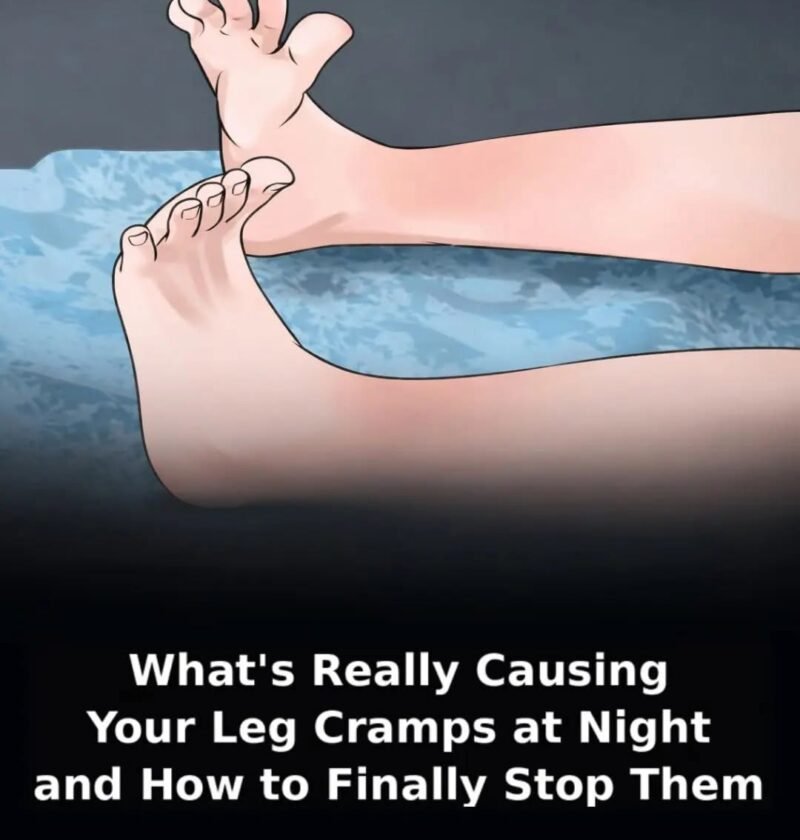
- For a calf cramp, gently pull your toes up toward your face.
- Massage the cramped muscle.
- If you can safely stand, put weight on the affected leg and walk slowly.
- A warm shower or bath may also help relax the muscle. (Mayo Clinic)
🌿 How to prevent them
- Stay adequately hydrated.
- Gently stretch your calves before bedtime.
- Keep physically active, but increase exercise gradually.
- Avoid prolonged sitting when possible.
- Make sure your footwear provides adequate support.
- Review your medications with a doctor or pharmacist if cramps began after starting a new medicine. (nhs.uk)
Don’t automatically start magnesium, potassium, or other supplements. Cramps aren’t necessarily caused by a mineral deficiency, and supplements can be inappropriate or unsafe for some people.
⚠️ When to get medical advice
See a healthcare professional if cramps regularly disturb your sleep, last longer than 10 minutes, occur frequently despite self-care, or are accompanied by swelling, numbness, muscle weakness, redness, or persistent pain. (nhs.uk)
Bottom line: Most nighttime leg cramps aren’t dangerous. Regular stretching, adequate hydration, and sensible activity can help—but persistent or changing cramps deserve an evaluation to look for an underlying cause.