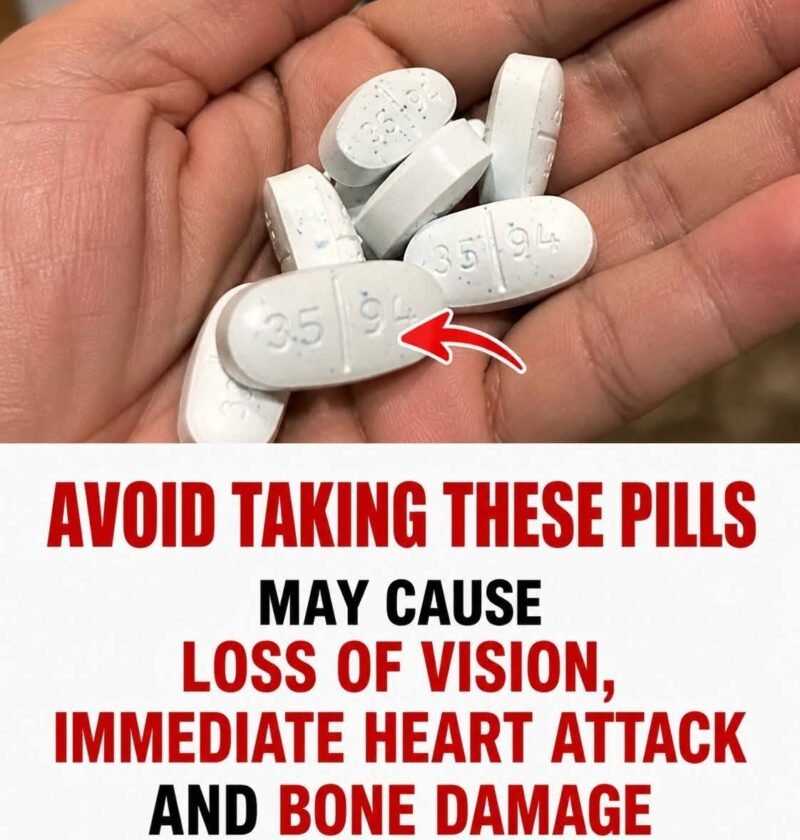
Medicines that can increase clot/heart-attack risk
Non-aspirin NSAIDs (common anti-inflammatory painkillers) can increase the risk of serious cardiovascular thrombotic events, including heart attack and stroke. The FDA says this risk can occur relatively early in treatment and tends to be higher with larger doses and longer use.
Examples include:
- Ibuprofen
- Naproxen
- Diclofenac
- Celecoxib
- Other prescription and over-the-counter NSAIDs
For example, official labeling for ibuprofen and naproxen carries a warning about cardiovascular thrombotic events.
Who needs particular caution?
Risk deserves extra attention in people with heart disease, previous heart attack or stroke, high blood pressure, or other cardiovascular risk factors. NSAIDs should generally be used at the lowest effective dose for the shortest necessary duration.
Don’t abruptly stop a prescribed medicine because of a viral warning. Ask your doctor or pharmacist whether the particular medicine, dose, and duration are appropriate for you.
If you develop chest pain, difficulty breathing, sudden weakness/numbness, or sudden slurred speech, seek emergency medical care immediately.
Also, “blood thrombots” isn’t a standard medical term; the usual term is blood clots or thrombosis.