23 Strange Signs Your Kidneys Might Be in Trouble
Kidney disease can be surprisingly silent. Many people have no noticeable symptoms until kidney function has already declined, which is why blood and urine testing is so important—especially for people with diabetes, high blood pressure, cardiovascular disease, or a family history of kidney disease. (National Kidney Foundation)
Here are 23 possible warning signs or clues:
- Foamy or unusually bubbly urine — can indicate protein leaking into the urine.
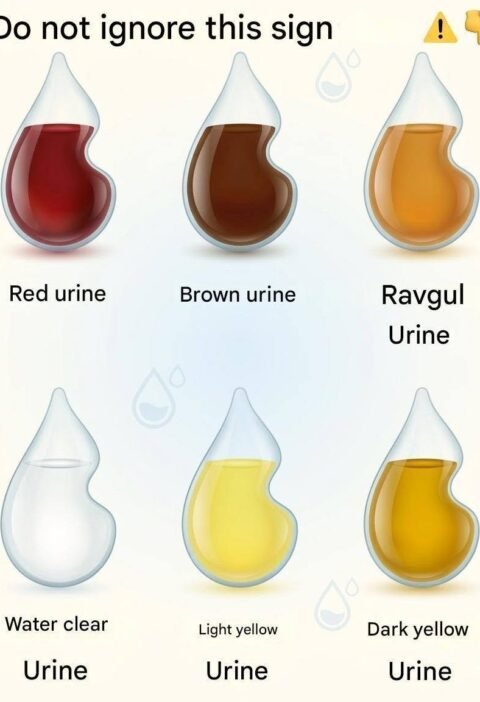
- Blood in the urine — urine may appear pink, red, brown, or tea-colored.
- Urinating more often, particularly at night.
- Urinating less than usual — especially if the change is significant.
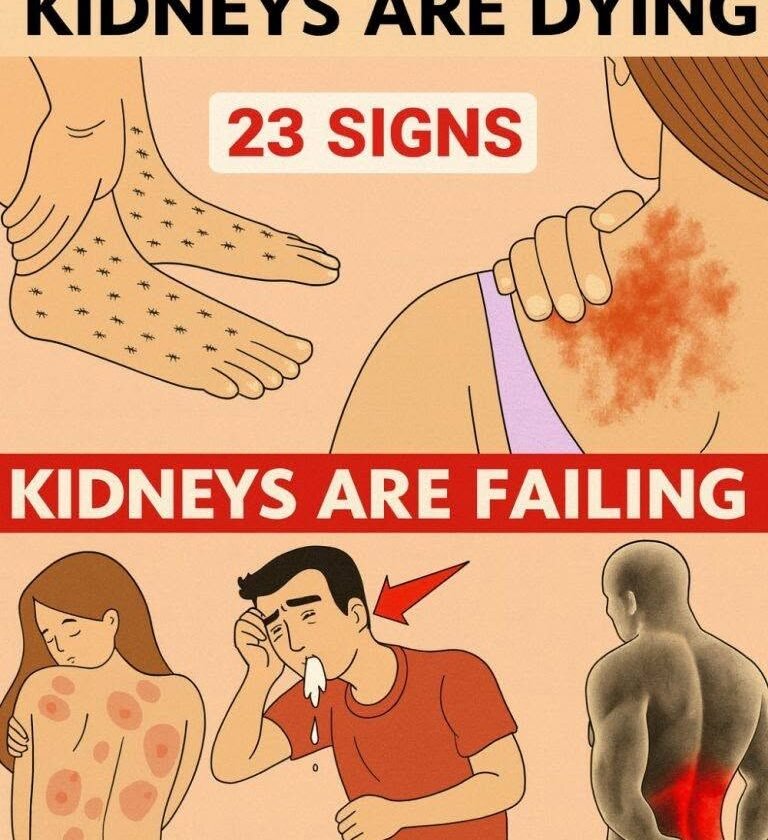
- Swollen ankles, feet, legs, hands, or face from fluid retention.
- Puffy eyes, particularly in the morning.
- Unexplained tiredness or weakness.
- Difficulty concentrating or feeling mentally “foggy.”
- Poor appetite.
- Unintentional weight loss.
- Nausea or vomiting.
- Persistent itchy or unusually dry skin.
- Muscle cramps, especially in the legs.
- Trouble sleeping.
- Shortness of breath, particularly with fluid accumulation or advanced disease.
- Headaches, which can sometimes accompany high blood pressure.
- Changes in thirst.
- Changes in the amount or pattern of urination.
- Painful or difficult urination — although this more commonly points toward a urinary-tract problem, it should be evaluated.
- Swelling or numbness in the limbs.
- Erectile dysfunction in men, which can occur alongside kidney and vascular disease.
- A urine-like or ammonia-like breath odor in advanced kidney disease.
- High blood pressure — not a symptom you can reliably feel, but an important risk factor and possible consequence of kidney disease. (National Kidney Foundation)
⚠️ Don’t diagnose yourself from symptoms
Almost all of these signs have other possible causes. For example, frequent urination can occur with diabetes or a urinary infection, while swollen legs can result from heart or liver problems. (nhs.uk)
The good news is that kidney health can be checked with relatively simple tests, including a blood creatinine/eGFR test and a urine albumin-to-creatinine ratio (uACR). (National Kidney Foundation)
Seek medical evaluation for persistent symptoms, especially blood in the urine, significant swelling, major changes in urination, or unexplained fatigue. Don’t wait for symptoms if you have diabetes or high blood pressure—kidney disease may be present without obvious warning signs. (nhs.uk)