“As a BRAIN Doctor, I’m SHOCKED…” — What’s the truth?
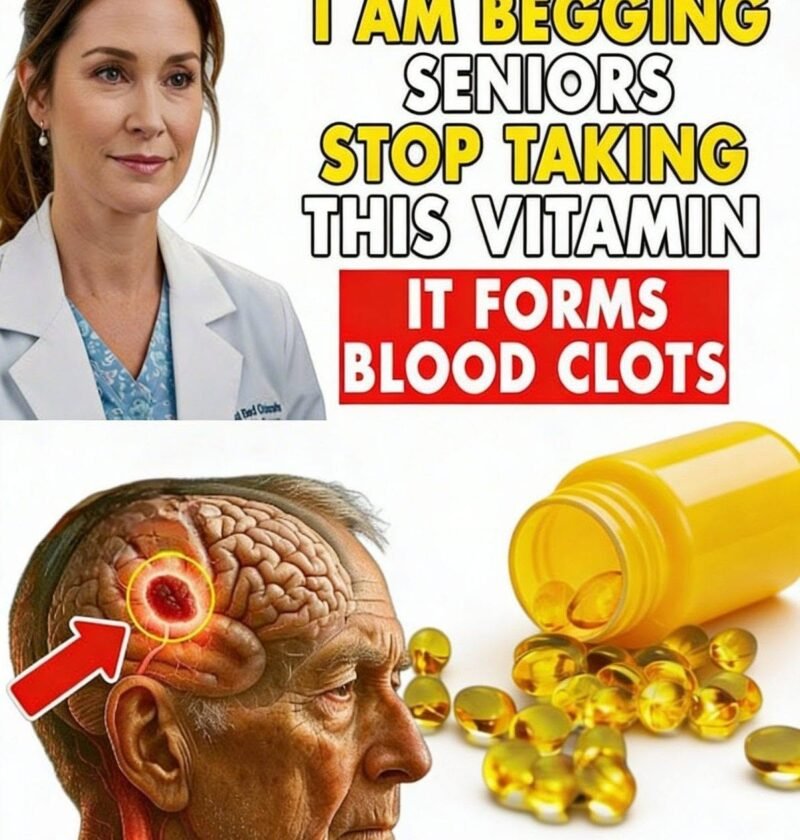
If this headline is referring to vitamin E, there is a real scientific concern behind it—but the headline dramatically overstates the evidence.
A large meta-analysis of randomized trials found that vitamin E supplementation was associated with about a 22% higher relative risk of hemorrhagic (bleeding) stroke, while ischemic stroke risk was about 10% lower. Importantly, there was no significant difference in total stroke risk. (PubMed)
What this means for older adults
- Vitamin E isn’t automatically dangerous. The concern is mainly about supplementation, particularly unnecessary or high-dose supplementation.
- The evidence does not mean that taking one vitamin-E capsule causes a stroke “overnight.”
- Vitamin E from normal foods—such as nuts, seeds and vegetable oils—is very different from taking concentrated supplements.
- More recent evidence remains mixed: a 2023 meta-analysis found that vitamin E alone did not reduce stroke incidence, while combinations with other antioxidants showed a similar increase in hemorrhagic stroke. (PubMed)
- The American Heart Association recommends getting nutrients primarily from a healthy diet rather than routinely taking antioxidant vitamin supplements for cardiovascular protection. (www.heart.org)
⚠️ Don’t stop medication without advice
If you take vitamin E because a doctor recommended it, don’t abruptly stop it based on a social-media headline. Ask your doctor or pharmacist whether you actually need the supplement and whether your dose is appropriate.
For stroke prevention, controlling blood pressure, diabetes, cholesterol, smoking, physical activity and diet generally matters far more than taking vitamin supplements. The AHA’s 2024 stroke-prevention guidance emphasizes healthy dietary patterns such as the Mediterranean diet. (professional.heart.org)
Bottom line: The claim that a vitamin can suddenly “raise your stroke risk overnight” is misleading. There is evidence of a possible increased risk of hemorrhagic stroke with vitamin E supplementation, but it doesn’t mean every person taking vitamin E is in immediate danger.