Common Early Symptoms of ALS
-
Distal limb weakness or clumsiness: Tripping or stumbling more often, foot drop (difficulty lifting the front part of the foot), or trouble with fine hand tasks like buttoning a shirt, turning a key, or holding a cup.
-
Muscle twitching () and cramps: Frequent muscle twitches or tightness—most often in the arms, legs, shoulders, or tongue—especially when paired with weakness.
-
Slurred or nasal speech (): Words sounding thick, slowed, or strained, or the voice changing pitch or projection.
-
Difficulty chewing or swallowing (): Taking longer to eat, coughing during meals, or excess saliva pooling.
-
Visible muscle thinning (): Noticing a hand, forearm, shoulder, or calf looking smaller or flatter than the opposite side.
Important Context: What ALS Usually Does Not Cause Early On
-
Isolated muscle twitching without weakness is rarely ALS: Benign muscle twitches happen frequently from caffeine, stress, fatigue, dehydration, or vigorous exercise.
-
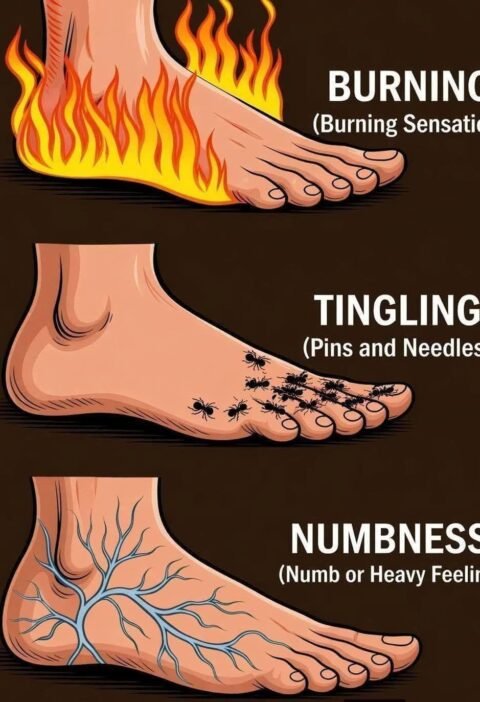
Sensory nerves and bladder control are typically spared early: ALS primarily affects motor control—it usually does not start with numbness, pins-and-needles, or severe pain (those point more toward pinched nerves, neuropathy, or spine issues).