8 Plants That Deter Pests
-
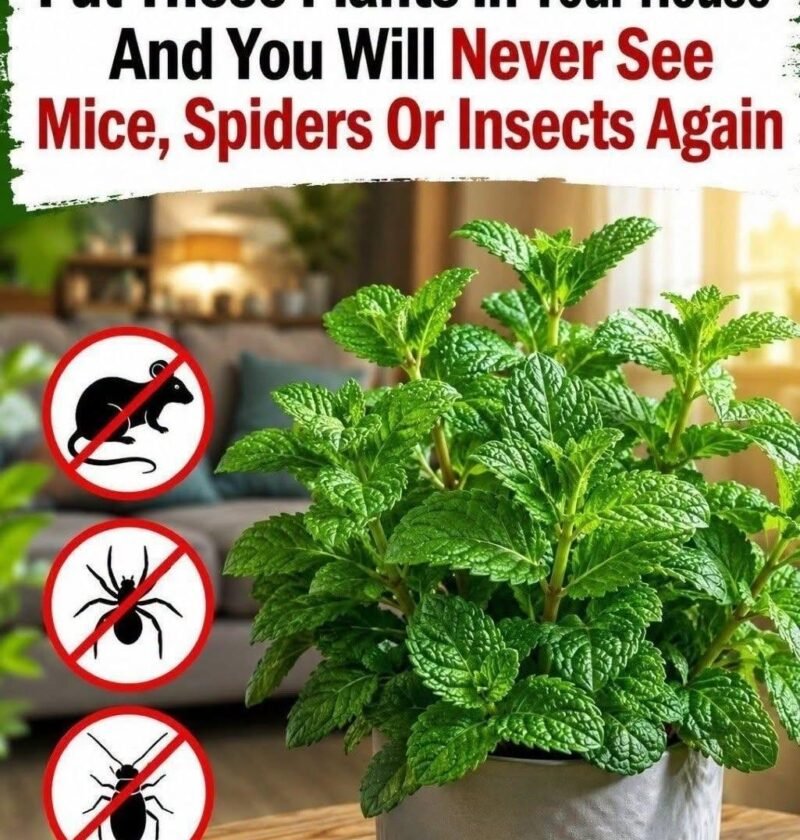
Peppermint: Strong menthol scent disrupts pheromone and food trails used by mice, spiders, ants, and mosquitoes. Keep it in containers near entryways and sunny windowsills (it spreads aggressively if planted directly in garden soil).
-
Lavender: High levels of linalool deter moths, fleas, mosquitoes, spiders, and mice while thriving in dry, sunny spots on balconies or along walkways.
-
Rosemary: Woody, camphor-like aroma repels mosquitoes, flies, and mice. Grows easily in pots beside patios and kitchen doors.
-
Basil: Eugenol and estragole oils discourage houseflies, mosquitoes, and spiders; a small pot on a bright kitchen windowsill works well near fruit bowls and screens.
-
Marigolds: Contain pyrethrum-related compounds and alpha-terthienyl that help keep away mosquitoes, aphids, whiteflies, and garden beetles.
-
Lemongrass (Citronella): Rich in citronella oil, which masks scents that draw mosquitoes and flies; ideal for warm outdoor seating areas, patios, or bright balconies.
-
Chrysanthemums: Produce natural pyrethrins that deter ants, roaches, ticks, fleas, silverfish, and spider mites.
-
Catnip: Releases nepetalactone, an essential oil that strongly repels mosquitoes, cockroaches, and flies (keep in mind it will attract neighborhood cats if placed outdoors).
How to Get the Best Results
-
Deterrent, not extermination: Live plants release lower oil concentrations than traps or sprays. They help discourage casual entry, not clear out an active indoor infestation.
-
Brush the leaves occasionally: Gently rubbing a few leaves releases fresh bursts of essential oils into the air.
-
Block physical access first: Sealing gaps under doors, torn window screens, and foundation cracks—along with storing food in airtight containers—is essential for keeping mice and spiders out.
-
Check pet safety: Chrysanthemums, lavender, and concentrated peppermint can cause stomach upset or toxicity if chewed by cats or dogs.