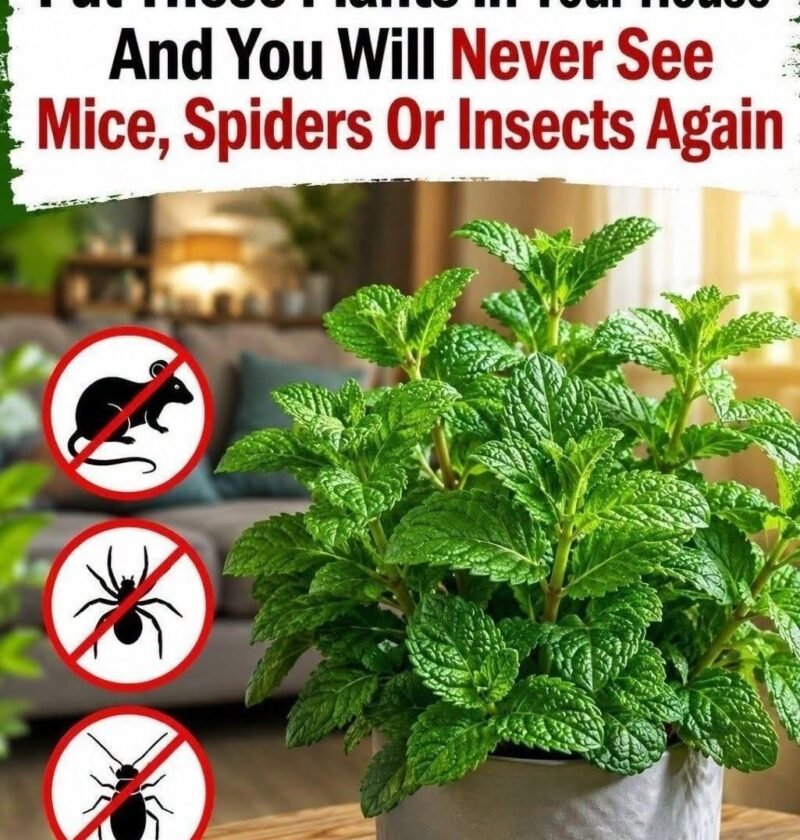
8 Common Pest-Deterring Plants
-
Peppermint: Strong menthol scent disrupts scent trails used by mice, spiders, ants, and mosquitoes. Best grown in pots (it spreads aggressively in soil) near entryways and sunny windowsills.
-
Lavender: High levels of linalool repel moths, fleas, mosquitoes, spiders, and mice while tolerating dry, sunny spots on balconies or borders.
-
Rosemary: Woody, camphor-like aroma deters mosquitoes, flies, carrot flies, and mice. Works well in containers near patios and kitchen doors.
-
Basil: Eugenol and estragole oils discourage houseflies, mosquitoes, and spiders; keeping a pot on a sunny kitchen counter helps near windows and fruit bowls.
-
Marigolds: Contain pyrethrum-related compounds and alpha-terthienyl that repel mosquitoes, aphids, whiteflies, and some soil nematodes.
-
Lemongrass (Citronella): Rich in citronella oil, which masks scents that attract mosquitoes and flies; ideal for warm outdoor seating areas or bright patios.
-
Chrysanthemums: Produce natural pyrethrins that deter ants, roaches, ticks, fleas, silverfish, and spider mites.
-
Catnip: Contains nepetalactone, an essential oil that strongly repels mosquitoes, cockroaches, and flies (though it will attract neighborhood cats if planted outdoors).
Practical Limits to Keep in Mind
-
Deterrent, not extermination: Live plants release far lower oil concentrations than concentrated sprays or traps. They help discourage casual entry, not an active indoor infestation.
-
Crush leaves occasionally: Gently rubbing a few leaves releases more essential oils into the air.
-
Seal entry points first: For mice and spiders in particular, sealing gaps under doors, screens, and foundation cracks—and removing crumbs or clutter—matters much more than plants alone.
-
Pet safety: Check toxicity before placing plants indoors—chrysanthemums, lavender, and concentrated peppermint can irritate or harm cats and dogs if chewed.