That phrasing reads like a viral health headline designed to alarm readers. In reality, gallbladder removal—a —is one of the safest, most routine procedures in medicine, and most people digest food normally afterward once their bodies adjust.
What Actually Changes in the Body
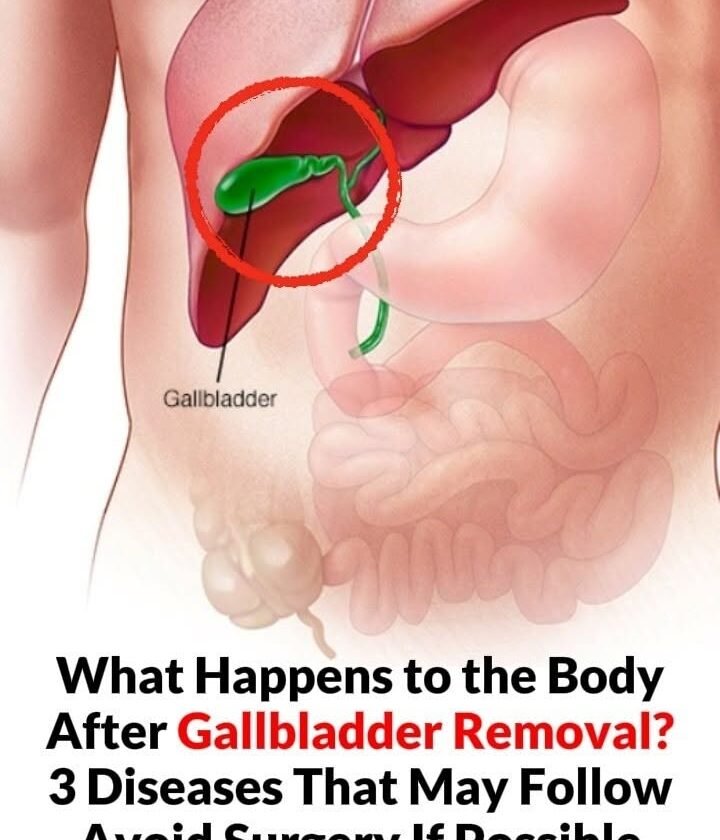
The gallbladder is a small storage pouch, not an organ that produces bile. Your liver makes bile continuously; normally, the gallbladder stores and concentrates it, then squeezes a concentrated burst into the small intestine when you eat fat.
Without a gallbladder, bile still flows from the liver straight into the small intestine through the common bile duct—just in a steady, continuous drip rather than on-demand bursts. Over several weeks, the bile ducts widen slightly to compensate, and most people return to a regular diet without long-term issues.
3 Conditions Linked to Gallbladder Removal
Clickbait articles often frame post-surgery risks as inevitable “diseases,” when they are actually manageable side effects or low-probability complications:
Bile Acid Diarrhea: Because un-concentrated bile drips continuously into the intestines, excess bile acids can reach the colon and draw in water, causing loose stools or urgency after fatty meals. This affects roughly 10% to 15% of patients temporarily and usually responds well to smaller, lower-fat meals, soluble fiber, or .
Bile Reflux Gastritis: Without the gallbladder regulating bile pressure, bile can occasionally back up from the small intestine into the stomach, irritating the stomach lining and causing upper abdominal burning or nausea.
Post-Cholecystectomy Syndrome (PCS): An umbrella term for persistent upper abdominal pain, bloating, or indigestion after surgery. It is rarely caused by the missing gallbladder itself—more often, it stems from a retained bile duct stone, , or an unrelated condition like irritable bowel syndrome.
When Surgery Is Actually Necessary
Avoiding surgery makes sense for silent gallstones that cause zero symptoms—doctors routinely recommend watchful waiting in those cases. However, once gallstones trigger repeated biliary colic, acute gallbladder inflammation, infection, or gallstone pancreatitis, delaying surgery carries serious risks (including gallbladder rupture or sepsis) that far outweigh the mild digestive adjustments of living without one.