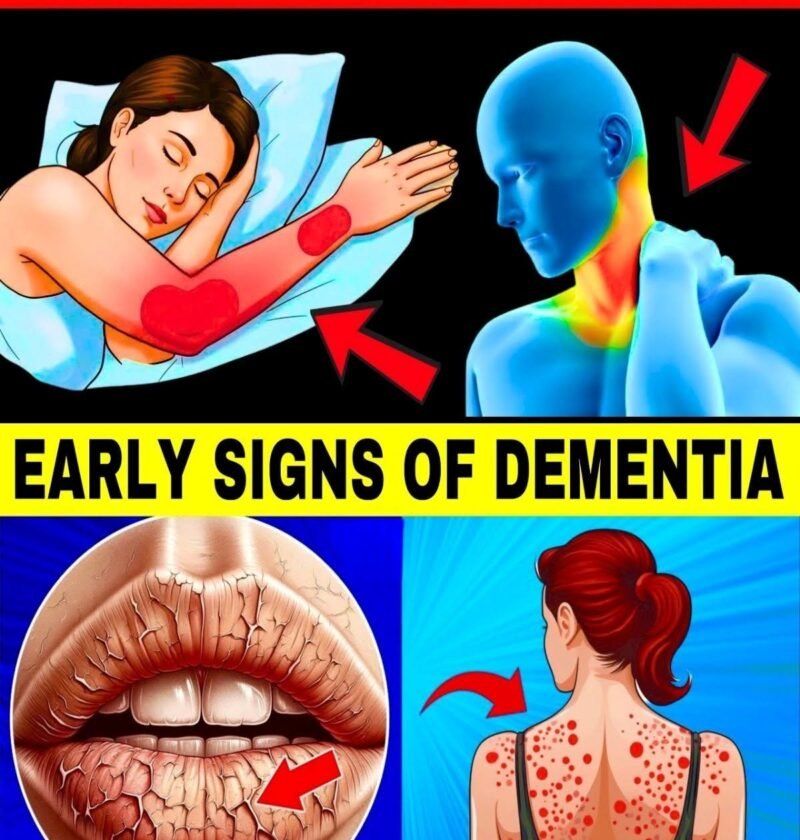
10 Key Early Warning Signs
-
Memory loss that disrupts daily life: Forgetting recently learned information, important dates, or asking the same questions repeatedly—rather than occasionally forgetting a name and remembering it later.
-
Challenges in planning or solving problems: Struggling to follow a familiar recipe, keep track of monthly bills, or concentrate on tasks that used to be routine.
-
Difficulty completing familiar tasks: Having trouble driving to a well-known location, organizing a grocery list, or remembering the rules of a favorite game.
-
Confusion with time or place: Losing track of dates, seasons, and the passage of time, or forgetting where they are and how they got there.
-
Trouble understanding visual images and spatial relationships: Difficulty judging distance, determining color or contrast, or reading—which can make driving hazardous (distinct from normal vision changes like cataracts).
-
New problems with words in speaking or writing: Stopping mid-conversation with no idea how to continue, repeating themselves, or struggling to find common words (e.g., calling a watch a “hand-clock”).
-
Misplacing things and losing the ability to retrace steps: Putting items in unusual places (like keys in the freezer) and being unable to retrace steps to find them, sometimes leading to accusations of theft.
-
Decreased or poor judgment: Making uncharacteristic financial decisions (such as giving large sums to telemarketers) or paying noticeably less attention to personal grooming and hygiene.
-
Withdrawal from work or social activities: Stepping back from hobbies, social gatherings, or favorite sports because they can no longer follow conversations or keep up with the activity.
-
Changes in mood and personality: Becoming unusually confused, suspicious, depressed, fearful, or easily upset—especially when out of their comfort zone.
Normal Aging vs. Early Dementia
| Normal Age-Related Change | Potential Sign of Dementia |
| Occasionally forgetting an appointment or name, then remembering later | Forgetting recent events entirely and relying heavily on memory aids |
| Making an occasional math error when balancing a checkbook | Inability to manage a budget or understand numbers |
| Sometimes struggling to find the right word | Frequent trouble holding or following a basic conversation |
| Misplacing glasses or keys from time to time | Putting objects in illogical spots and being unable to retrace steps |
| Feeling weary of social obligations occasionally | Completely withdrawing from lifelong hobbies and close friends |
Important Note: Not all memory loss is caused by dementia. Vitamin deficiencies (such as Vitamin B12), thyroid disorders, medication side effects, dehydration, infections, and depression can all mimic dementia symptoms and are often reversible when treated promptly.