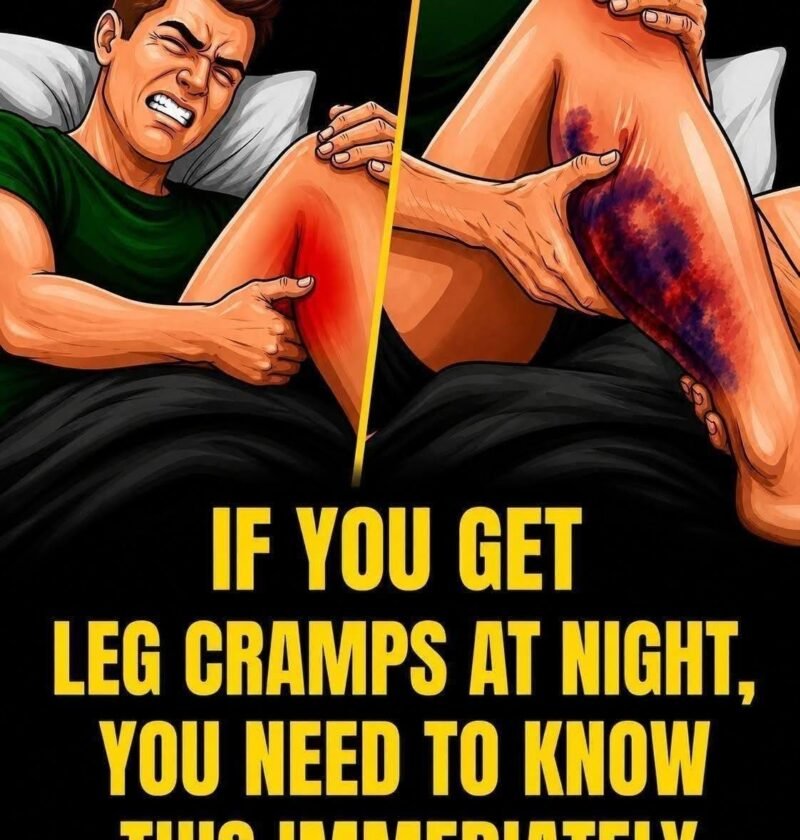
When Nighttime Leg Cramps Signal Something More
-
Peripheral Artery Disease (PAD): Narrowed arteries reduce blood flow to the legs. Unlike simple cramps, PAD-related pain often worsens when legs are elevated in bed and improves when you dangle your feet over the side of the mattress.
-
Lumbar Spinal Stenosis: Narrowing in the lower spine compresses nerves running down the legs, causing cramping, heaviness, or numbness in the calves that flares up at night or after standing.
-
Venous Insufficiency: Weakened leg vein valves allow blood and fluid to pool during the day, triggering aching, swelling, and cramps once you lie down.
-
Electrolyte or Endocrine Imbalances: Low potassium, calcium, or magnesium, an underactive thyroid (hypothyroidism), or poorly controlled diabetes can disrupt normal nerve-muscle signaling.
-
Medication Side Effects: Diuretics (for blood pressure or fluid retention), statins, certain blood pressure drugs, and asthma inhalers frequently trigger nocturnal spasms.
Red Flags That Warrant a Doctor’s Visit
-
Cramps occurring several nights a week that disrupt sleep despite basic stretching and hydration
-
Swelling, redness, warmth, or skin discoloration on the lower leg (which requires ruling out a blood clot/DVT)
-
Numbness, “pins and needles” tingling, or muscle weakness in your feet or legs
-
Pain that eases specifically when hanging your legs off the bed
Immediate Relief & Nightly Prevention
-
Stop a cramp fast: Straighten your leg and pull your toes upward toward your shin (dorsiflexion), or stand up and press your heel firmly into the floor.
-
Stretch before sleep: Lean against a wall with one foot stepped back and heel flat for 30 seconds per leg right before getting into bed.
-
Check your bedding: Untuck tight sheets at the foot of the bed so blankets do not force your toes downward overnight.
-
Skip quinine: Over-the-counter quinine or tonic water is no longer recommended by medical authorities due to serious heart rhythm and blood cell risks.