1. How to Stop a Cramp Immediately
-
Stretch the calf immediately: If you’re in bed, straighten your leg and pull your toes and the top of your foot upward toward your shin (dorsiflexion). You can also stand up and press the ball of your foot flat against the floor while leaning forward.
-
Walk it off: Putting weight on the leg sends signals to the muscle to relax.
-
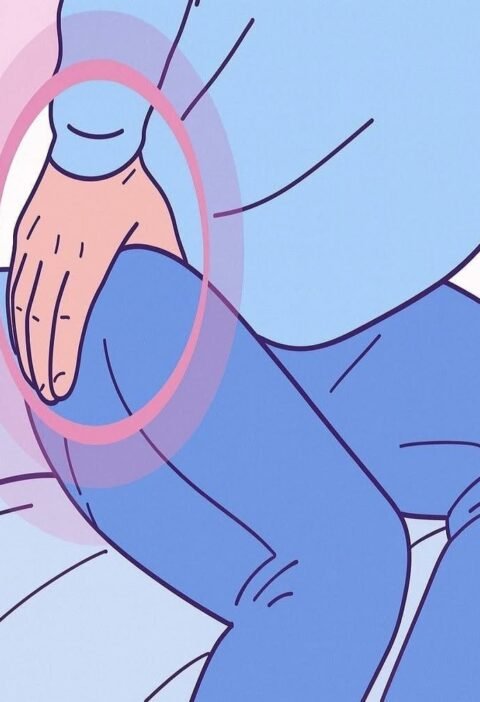
Massage or apply warmth: Firmly rub the knotted muscle to ease tension, or use a warm towel or heating pad afterward if soreness lingers.
2. Common Causes
-
Muscle fatigue or prolonged inactivity: Overworking your legs during the day—or sitting/standing in one position for too long—makes nerves fire abnormally at night.
-
Dehydration and electrolyte shifts: Low fluid intake or imbalances in magnesium, potassium, or calcium can make muscles overly excitable (especially common in hot climates or after heavy sweating).
-
Sleeping position: Sleeping with your toes pointed downward (plantar flexion) shortens the calf muscle for hours, making it prone to spasming.
-
Medications: Certain drugs list leg cramps as a common side effect, including diuretics (water pills), statins (cholesterol medications), blood pressure drugs, and asthma inhalers (beta-agonists).
-
Pregnancy or aging: Cramps become much more common after age 50 (due to natural nerve and tendon shortening) and during the second and third trimesters of pregnancy.
3. How to Prevent Them Tonight
-
Do a 2-minute calf stretch before bed: Stand an arm’s length from a wall, place your hands on it, step one foot back with the heel flat on the floor, and lean forward for 30 seconds per leg.
-
Loosen your bedsheets: Untuck heavy blankets at the foot of the bed so they don’t press your toes downward while you sleep.
-
Stay steadily hydrated: Drink water consistently throughout the day rather than chugging a large glass right before bed.
-
Gentle evening movement: A short walk or a few minutes on a stationary bike before bedtime helps prevent calf muscles from stiffening overnight.
-
Note on supplements: Despite popular advice, clinical studies show magnesium supplements provide little benefit for most people unless you have a true magnesium deficiency—though eating magnesium-rich foods (nuts, seeds, leafy greens, bananas) is safe and helpful.