Real Early Warning Signs vs. Exaggerated Clickbait Claims
1. Genuine Medical Warning Signs (Often a Mini-Stroke / TIA)
-
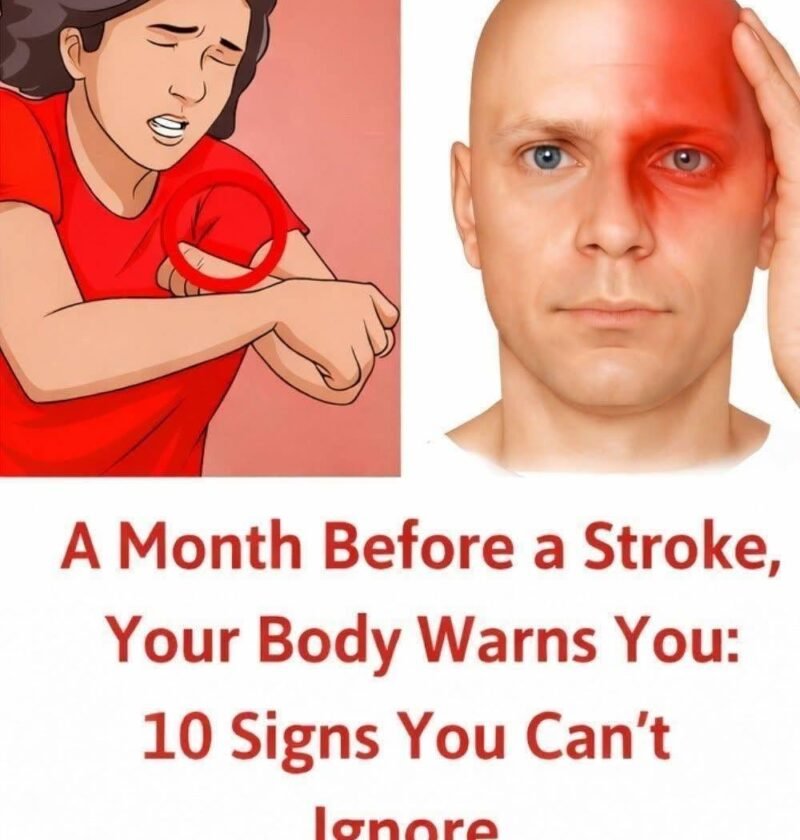
Sudden Weakness or Numbness on One Side: Brief drooping on one side of the face, or temporary heaviness/numbness in one arm or leg.
-
Sudden Slurred Speech or Word-Finding Trouble: Briefly garbling words, struggling to speak clearly, or suddenly failing to understand a simple sentence.
-
Sudden Vision Loss or Double Vision: Temporary blurriness, double vision, or a dark shade/curtain dropping across one eye.
-
Sudden Dizziness, Vertigo, or Loss of Balance: Abrupt spinning dizziness, stumbling, or poor coordination without an obvious inner-ear trigger.
-
Sudden, Unexplained Confusion: Briefly feeling disoriented or unable to recognize familiar surroundings or tasks.
-
Sudden Severe “Thunderclap” Headache: An abrupt, intense headache with no clear cause (a key warning for vessel bulging or bleeding).
2. Indirect Risk Signals (Not Stroke Symptoms Themselves, But Warning Flags)
-
Heart Palpitations or a Fluttering, Irregular Pulse: Can signal atrial fibrillation (AFib), an irregular heartbeat that lets blood clots form in the heart and travel to the brain.
-
Morning Headaches, Nosebleeds, or Shortness of Breath on Exertion: Often reflect severely uncontrolled high blood pressure—the #1 modifiable cause of stroke—or strained heart function, even though high blood pressure usually causes no symptoms at all.
-
Unexplained Fainting or Near-Fainting Spells: May indicate carotid artery narrowing, heart rhythm drops, or sudden blood-pressure swings needing cardiovascular evaluation.
-
Persistent Fatigue or Neck/Jaw Pain: Non-specific symptoms that viral lists often stretch into “stroke warnings”; while rarely a direct stroke warning alone, new cardiovascular symptoms deserve a routine checkup.
Why Waiting “To See If It Happens Again” Is Dangerous
-
A Mini-Stroke (TIA) Is a High-Alert Warning: Roughly 1 in 10 to 1 in 5 people who experience a TIA suffer a full, potentially disabling stroke within 90 days—with the highest danger in the first 48 hours.
-
Fast Action Prevents the Full Stroke: Going straight to emergency care after brief symptoms allows doctors to run brain and neck-artery scans, check heart rhythm, and start clot-preventing medication before permanent brain damage occurs.