The 9 Common Foot Symptoms on Those Lists—And What They Actually Mean
-
Swollen Feet and Ankles ():
-
Harmless causes: Prolonged sitting on flights, standing all day, hot weather, or high-salt meals.
-
Medical causes to check: Heart failure, kidney disease, liver disease, or chronic venous insufficiency (weak leg vein valves), especially if swelling pits when pressed, worsens rapidly, or comes with shortness of breath.
-
-
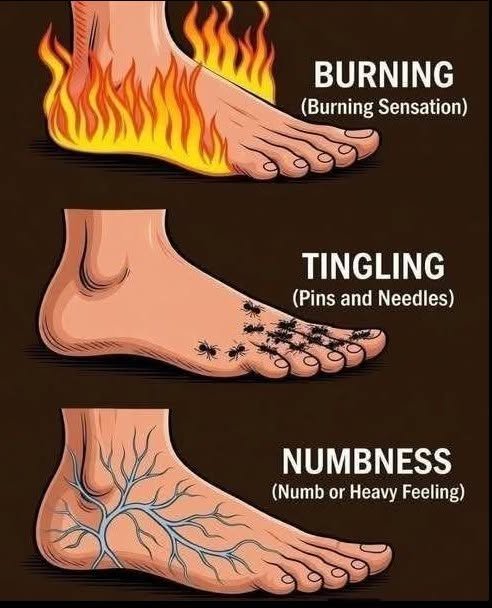
Numbness, Tingling, or “Pins and Needles”:
-
What it signals: Most commonly peripheral neuropathy caused by diabetes or prediabetes, though vitamin B12 deficiency, hypothyroidism, pinched lower-back nerves, or heavy alcohol use can produce identical sensations.
-
-
Chronically Cold Feet:
-
Harmless causes: Normal autonomic response to cold rooms or sitting still.
-
Medical causes to check: Poor arterial circulation, hypothyroidism (underactive thyroid), anemia, or Raynaud’s phenomenon (blood-vessel spasms in cold or stress).
-
-
Sores, Cuts, or Ulcers That Heal Very Slowly:
-
What it signals: A major red flag for uncontrolled diabetes or poor leg blood flow—high blood sugar and reduced oxygen impair tissue repair and raise infection risk even from a tiny blister.
-
-
Cramping or Aching in the Calves and Feet When Walking (Relief With Rest):
-
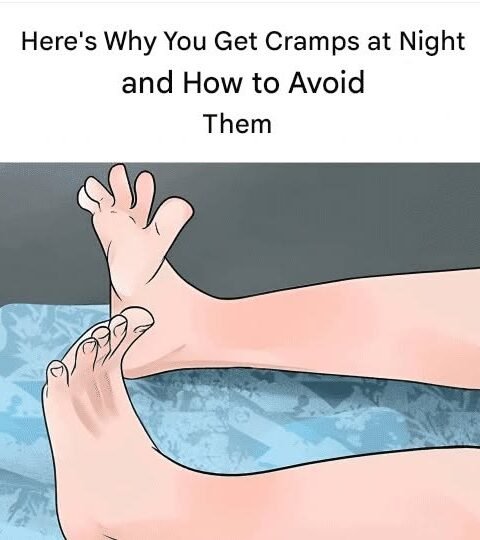
What it signals: Classic intermittent claudication from narrowed leg arteries (peripheral artery disease), though dehydration, low magnesium/potassium, or lumbar spinal stenosis can also trigger leg cramps.
-
-
Hair Loss on the Toes and Shiny, Thin Skin:
-
What it signals: Reduced arterial blood supply to the lower legs and feet—hair follicles and skin thin out when oxygen-rich blood flow drops over time.
-
-
Severely Dry, Cracked Heels or Flaking Skin:
-
Common causes: Open-back footwear, dry climate, or athlete’s foot (fungal infection).
-
Systemic link: Hypothyroidism or diabetic autonomic neuropathy (which reduces sweat and natural skin oil production in the feet).
-
-
Thickened, Yellow, Crumbling, or Spoon-Shaped Toenails:
-
Thick/yellow nails: Usually a harmless but stubborn fungal nail infection (onychomycosis) or repetitive shoe trauma, though psoriasis can look similar.
-
Pale, brittle, or spoon-shaped nails (): Can point to iron-deficiency anemia.
-
-
Sudden Severe Pain, Redness, and Swelling in the Big Toe Joint:
-
What it signals: Classic gout flare caused by uric acid crystals depositing in the joint—often linked to diet, dehydration, kidney function, or certain blood-pressure diuretics.
-