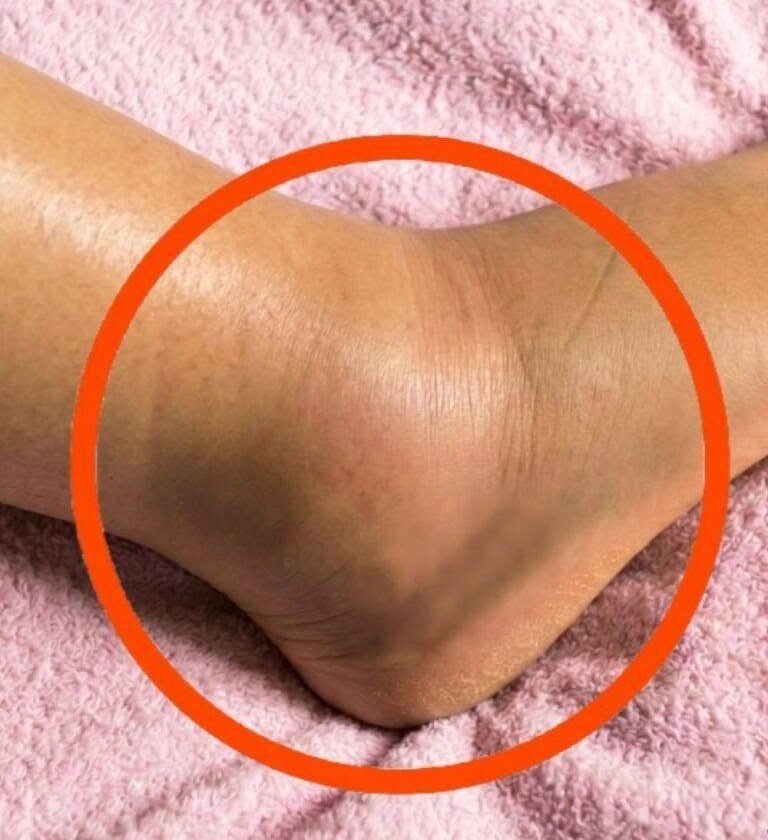
Common Everyday & Medical Causes of Swollen Legs
-
Gravity and fluid pooling (dependent edema): Sitting or standing in one position for long stretches (such as long flights, desk jobs, or hot weather), high salt intake, or pregnancy.
-
Chronic venous insufficiency: Weakened one-way valves in the leg veins allow blood to pool in the lower legs and ankles, often causing aching, heaviness, and varicose veins.
-
Medication side effects: Blood pressure drugs (especially calcium channel blockers like amlodipine), steroids, NSAIDs (like ibuprofen), and certain diabetes medications frequently cause ankle and foot swelling.
-
Heart, kidney, or liver conditions: When the heart pumps less efficiently, or the kidneys or liver struggle to balance fluid and blood proteins, fluid accumulates in both legs and feet.
-
Blood clot (Deep Vein Thrombosis — DVT): A clot blocking a deep vein—almost always causing swelling in just one leg rather than both.
-
Lymphatic blockage (lymphedema) or infection (cellulitis): Can happen after surgery, radiation, injury, or skin infections—and only in a small subset of cases is lymphatic blockage related to a tumor pressing on lymph nodes or blood vessels.
When Leg Swelling Needs Immediate Emergency Care
-
Sudden and in only ONE leg, especially if the calf or thigh is painful, warm, red, or tender to the touch (possible blood clot / DVT)
-
Paired with shortness of breath, chest pain, coughing up blood, or dizziness (possible pulmonary embolism or acute heart strain)
-
Accompanied by spreading redness, heat, and fever (possible cellulitis skin infection)