-
Acrylamide in Starchy Foods: Cooking starchy foods (like potatoes or breaded items) at very high temperatures can form . Because air fryers cook intensely and quickly, over-browning or charring fries can increase acrylamide levels compared to gentler baking—though soaking potatoes beforehand and cooking to a light golden color rather than dark brown keeps levels low.
-
Nonstick Coating Wear (PFAS/PTFE): Many air fryer baskets use nonstick coatings. If scratched with metal utensils or overheated beyond manufacturer limits, older or damaged coatings can degrade and flake into food. Using silicone, wood, or plastic utensils and replacing scratched baskets (or choosing ceramic-coated or stainless-steel models) avoids this risk.
-
Fire & Ventilation Hazards: Because air fryers exhaust hot air from the back and draw significant wattage, pushing them flush against a wall, under low cabinets, or plugging them into overloaded power strips creates a fire hazard. They also should never be lined with loose parchment paper without food weighting it down, as the high-velocity fan can blow paper onto the heating element.
-
Uneven Cooking for Large or Wet Batches: Air fryers rely on hot air flowing freely around food. Overcrowding the basket traps steam instead of crisping, and large roasts, wet batters, or multi-dish meals still cook far more evenly in a conventional oven.
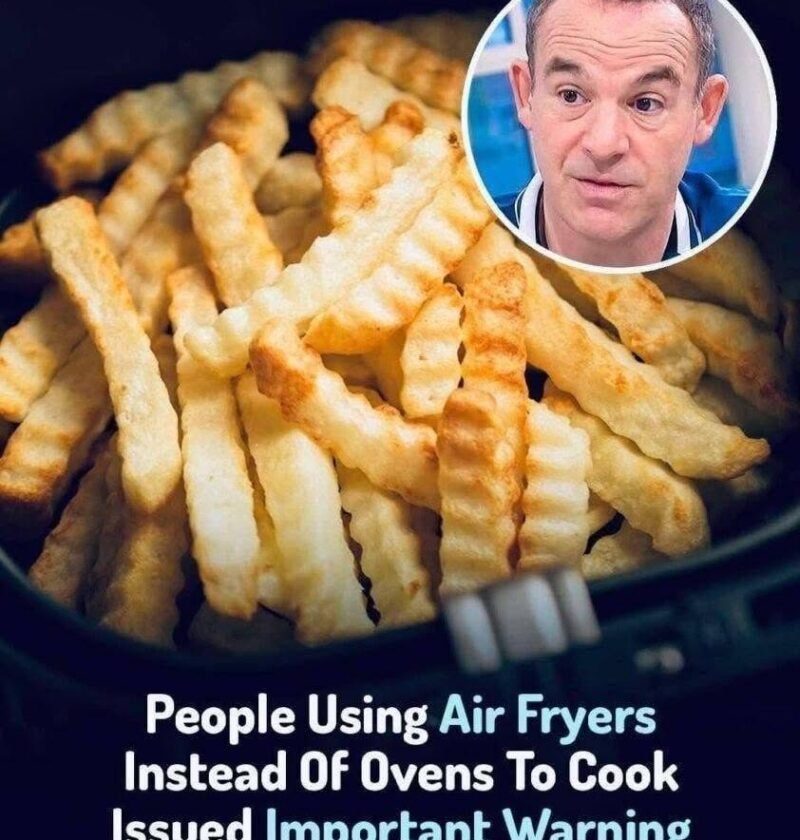
Experts Caution Against Using Air Fryers Instead of Ovens
Headlines warning that “experts caution against using air fryers instead of ovens” usually stem from viral articles exaggerating a few specific safety, chemical, or culinary trade-offs—not because air fryers are inherently dangerous when used properly.
Air fryers are essentially compact, high-speed convection ovens that circulate superheated air around food. They are generally safe, though experts point out four legitimate limitations to keep in mind:
Bottom line: You do not need to stop using an air fryer—for small batches, reheating leftovers, and roasting vegetables with minimal oil, it is often faster and uses less energy than heating a full-sized oven. Just leave 5 inches of clearance around the vents, avoid charring starchy foods, and hand-wash baskets gently to protect the coating.