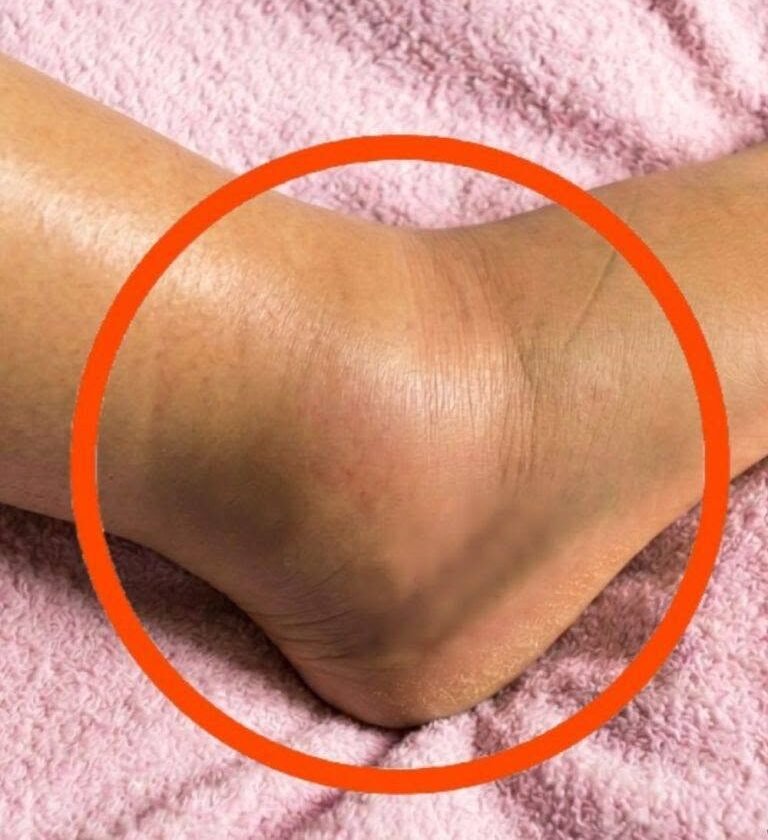
Everyday Causes (Most Common)
-
Gravity and prolonged sitting or standing: Long car rides, flights, desk work, or standing on hard floors let fluid pool in the lower legs and ankles by evening.
-
Chronic venous insufficiency: Tiny one-way valves in leg veins weaken over time, allowing blood and fluid to pool downward—often causing aching, heaviness, or visible varicose veins.
-
Medication side effects: Blood pressure drugs (especially calcium-channel blockers like amlodipine), steroids, NSAIDs (ibuprofen/naproxen), and some diabetes or hormone medications frequently cause ankle swelling.
-
High salt intake or hot weather: Heat dilates blood vessels and excess sodium makes the body hold extra water.
Medical Conditions Doctors Check For (Including What the Clickbait Hints At)
-
Heart, kidney, or liver strain: When the heart pumps less efficiently, or the kidneys/liver struggle to balance fluid and blood proteins, fluid accumulates in both legs and feet, often paired with shortness of breath or unusual fatigue.
-
Blood clot (Deep Vein Thrombosis / DVT) or localized infection: Usually affects only one leg rather than both—often accompanied by redness, warmth, or calf tenderness.
-
Cancer or lymphedema: Certain tumors, pelvic lymph node blockages, or prior surgery/radiation can slow lymphatic drainage, causing firm, persistent swelling (often in one limb), though this is far less common than everyday venous or medication-related swelling.
Warning Signs That Need Prompt Medical Attention
-
Appears suddenly in only one leg, especially with calf pain, warmth, or redness (possible blood clot);
-
Comes with shortness of breath, chest tightness, or trouble breathing when lying flat;
-
Leaves a deep dent when you press your thumb into the shin for a few seconds (pitting edema) and does not go down overnight after elevating your legs;
-
Is accompanied by fever, skin blistering, or a history of heart, kidney, or liver disease.