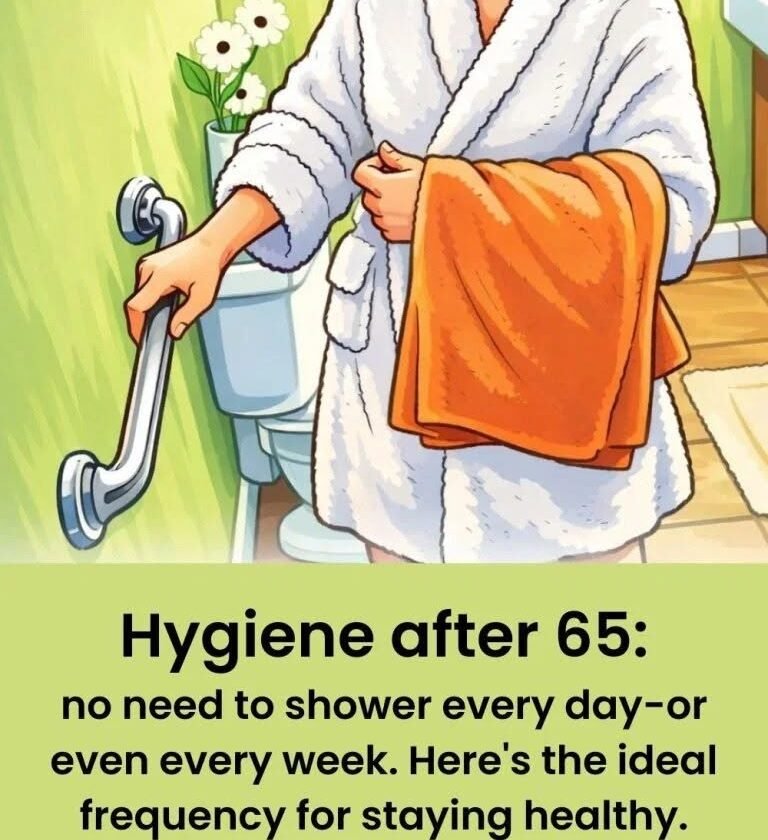
When health and lifestyle headlines warn that **”daily showers after 65 may do more harm than good,”** they are highlighting a genuine and important shift in geriatric dermatology. While daily bathing is deeply ingrained in modern hygiene culture, aging skin undergoes profound physiological changes that make daily scrubbing with hot water and harsh soaps surprisingly counterproductive.
To separate internet clickbait from clinical reality, let’s look at why dermatologists and geriatricians recommend modifying bathing routines as we age, and how to maintain healthy skin without compromising cleanliness.
—
### How Aging Skin Changes
As we move past age 65, our skin undergoes a series of natural biological shifts:
1. **Thinning of the Epidermis:** The outer layer of skin becomes thinner and more fragile, making it more susceptible to environmental friction, tears, and irritants.
2. **Decreased Sebum Production:** The sebaceous (oil) glands in our skin produce significantly less natural oil as we age. This natural lipid barrier is crucial for locking in moisture.
3. **Reduced Sweat Production:** Sweat glands also become less active, meaning aging skin retains less natural hydration and is prone to chronic dryness (clinically known as *xerosis*).
—
### Why Daily Showers Can Cause Harm in Older Adults
When these natural changes meet the traditional habit of a daily, hot, soapy shower, several issues can arise:
1. **Chronic Dryness and Pruritus (Itching):**
* Stripping away the skin’s minimal remaining oils with daily soap and hot water leads to severe dryness. This often triggers “senile pruritus”—persistent, maddening winter or chronic itching that can lead to scratching, skin breakdown, and secondary infections.
2. **Compromised Skin Barrier and Fissures:**
* Severely dry skin loses its flexibility and develops microscopic cracks or fissures. These tiny breaks in the skin barrier compromise your body’s first line of defense against bacteria and pathogens.
3. **Slip and Fall Risks:**
* Prolonged time in a steamy, wet bathroom combined with slippery tile surfaces increases the risk of falls—one of the most serious safety hazards for older adults.
—
### A Better Approach: Geriatric Hygiene Best Practices
Adapting your routine doesn’t mean abandoning hygiene; it means shifting from a “scrub-down” mindset to a gentle, preservation-focused approach:
* **Reduce Full-Body Soap Frequency:** Older adults often benefit from full soap-and-water showers **two to three times a week**. On non-shower days, a simple “sponge bath” focusing on key areas (underarms, groin, and feet) maintains hygiene without over-drying the rest of the body.
* **Lower the Water Temperature:** Hot water melts away vital skin lipids instantly. Use comfortably warm water instead.
* **Shorter Durations:** Keep showers brief (under 5 to 10 minutes).
* **Switch to Gentle, Hydrating Cleansers:** Swap out harsh, heavily scented bar soaps or foaming body washes for fragrance-free, moisturizing body cleansers or syndet bars.
* **Moisturize Immediately:** Apply a thick, fragrance-free cream or ointment (rather than a watery lotion) to damp skin right after bathing to lock in essential moisture.
### The Bottom Line
Hygiene is essential for health, dignity, and comfort, but the way we practice it should evolve as our bodies change. Shifting away from rigid daily scrubbing protects fragile skin from chronic dryness and irritation.
Are you looking into skin care and hygiene tips for an older family member, or fine-tuning your own wellness routine?