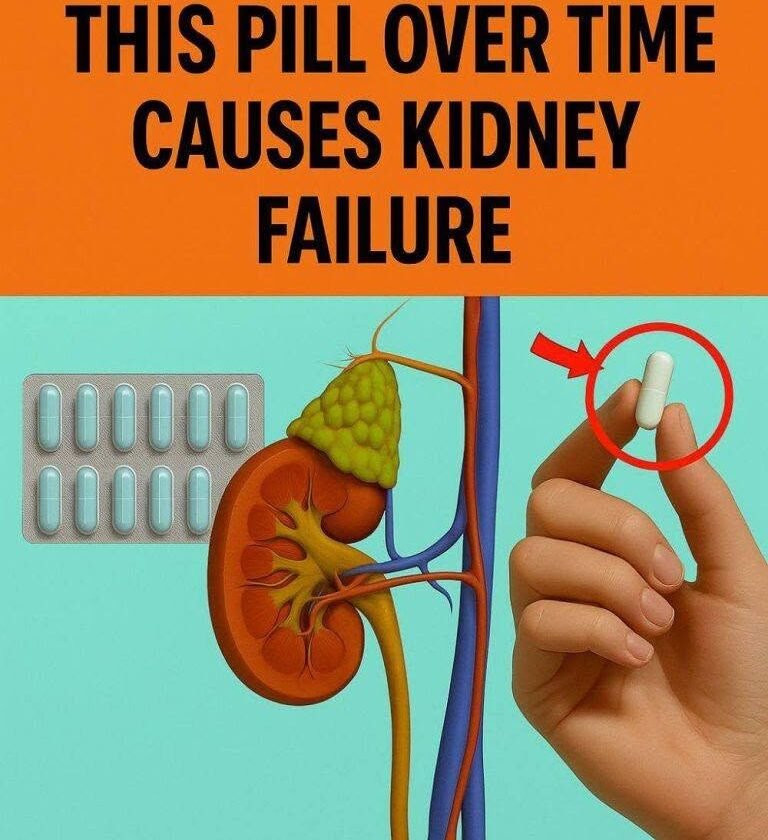
Common Over-the-Counter & Herbal Culprits That Can Stress Kidneys
-
Frequent NSAID Pain Relievers (Ibuprofen, Diclofenac, Naproxen, Mefenamic Acid, Celecoxib): Reduce blood flow into the kidneys’ filtering units. Risk rises sharply with daily or high-dose use, dehydration/illness, older age, existing kidney disease, or combining NSAIDs with blood pressure pills and diuretics (often called the “triple whammy”).
-
Unregulated Herbal Remedies, Weight-Loss Teas & High-Dose Supplements: Traditional/unregulated herbal powders, “detox” teas, aristolochia-containing herbs, or megadoses of certain vitamins/minerals (such as high-dose vitamin C, vitamin D toxicity, or excessive creatine/protein concentrates in impaired kidneys) can cause direct kidney injury or kidney stones.
-
Frequent Proton Pump Inhibitors (PPIs) or High-Dose Antacids: Long-term daily acid reducers (like omeprazole or pantoprazole) have been linked in observational data to uncommon kidney inflammation (acute interstitial nephritis) or gradual CKD risk—another reason to review ongoing use rather than taking them indefinitely without checking in.
Crucial Rule: Never Stop Prescribed Kidney or Blood Pressure Medications Without Checking First
-
Don’t Stop Prescriptions Abruptly: Some of the best medications for protecting kidneys long-term—such as ACE inhibitors, ARBs, SGLT2 inhibitors, or carefully dosed diuretics—intentionally lower pressure inside the kidney filters, which can cause a small, expected early bump in blood creatinine that a doctor monitors safely. Stopping prescribed blood pressure, diabetes, or heart medications suddenly can trigger rebound high blood pressure, high blood sugar, or fluid overload, which harms kidneys far more.
When to Seek Care
-
Emergency Care (
<1 hour): Call 1122 (in Pakistan) or go to the nearest emergency hospital immediately if symptoms include trouble breathing or lying flat, chest pain or pressure, severe confusion or extreme drowsiness, fainting, or sudden inability to pass urine with severe pain/swelling. -
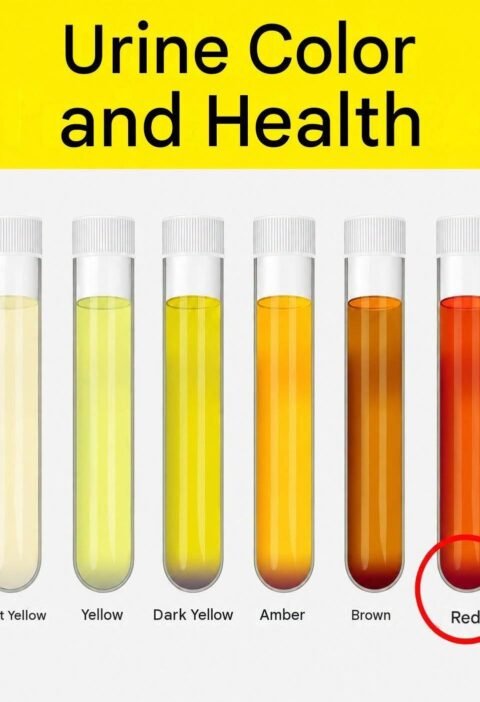
Routine Doctor Visit (Within 2–7 Days): Schedule a checkup—and ask about checking serum creatinine/eGFR, urinalysis with urine albumin/protein, and blood pressure—if you take NSAIDs or herbal supplements regularly, or notice new puffiness around the eyes, ankles, or feet; foamy/bubbly or dark/bloody urine; a noticeable drop in urine output; or unexplained fatigue.