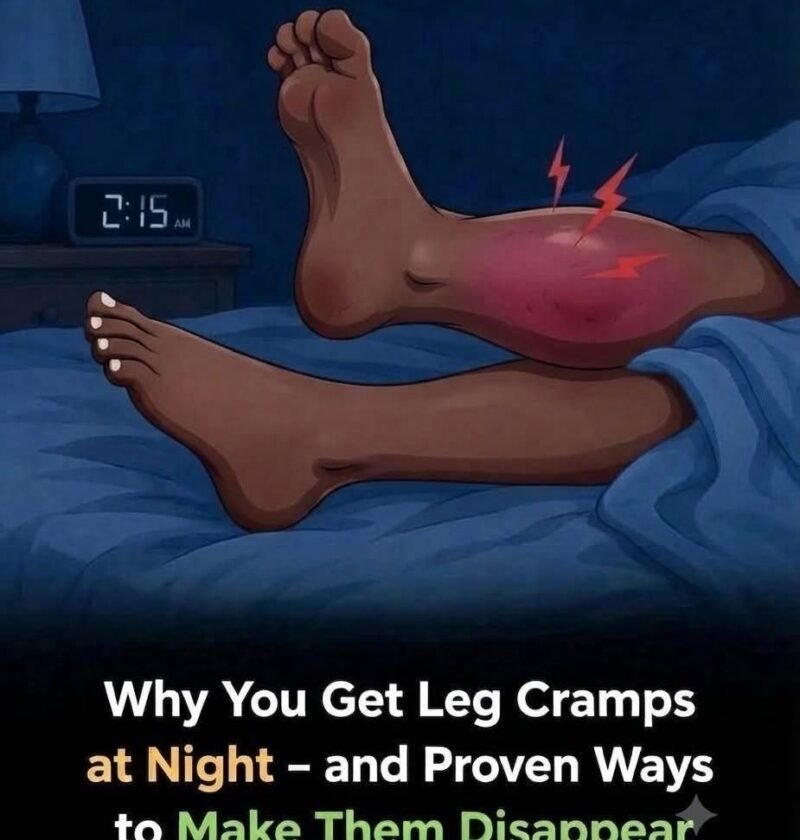
Why Nighttime Leg Cramps Happen
-
Nerve Firing & Muscle Fatigue: Involuntary motor-nerve activity during rest or sleep can trigger a sudden contraction. Standing or sitting for long stretches, heavy exercise, or poor daytime footwear can fatigue muscles so they spasm later at night.
-
Age, Tendon Tightness & Bed Position: Tendons naturally lose a bit of elasticity with age, and pointing toes downward under tight or heavy blankets keeps calf muscles in a shortened position that makes cramping more likely.
-
Hydration, Pregnancy & Medications: Not drinking enough fluids (especially in warm weather or after sweating), pregnancy (especially later trimesters), or certain medications (such as diuretics or statins) can contribute—though never stop a prescribed medicine without speaking to your prescriber or pharmacist first.
-
Underlying Health Conditions: Less commonly, frequent cramps relate to circulation issues (peripheral artery disease or venous insufficiency), nerve conditions (such as diabetic neuropathy or lumbar nerve compression), kidney or liver disease, or electrolyte/metabolic shifts.
How to Ease a Cramp Fast & Help Prevent Future Ones
-
Stretch & Flex the Cramped Muscle: If your calf cramps, straighten your leg and gently pull your toes/foot upward toward your shin (or stand up and put weight on the leg/walk around gently) to lengthen the tight muscle. For a back-of-thigh cramp, gently straightening the leg or pulling the heel toward the glutes carefully can help.
-
Gentle Massage or Warmth/Cold: Lightly rubbing or massaging the tight muscle—or applying a warm compress/bath or a towel-wrapped ice pack—can help ease lingering tightness once the spasm releases.
-
Stretch Before Bed & Loosen Bedding: Gentle daily calf stretches (such as leaning into a wall with heels flat) and keeping sheets/blankets loose around your feet help reduce nighttime triggers.
-
Stay Hydrated & Pace Activity: Drink fluids steadily across the day and avoid sudden spikes in unaccustomed leg workouts.
When to Seek Urgent vs. Routine Medical Care
-
Emergency Care (
<1 hour): Seek immediate emergency medical attention (call 1122 in Pakistan or go to the nearest emergency hospital) if leg pain/cramping comes with shortness of breath, chest pain or pressure, sudden lightheadedness/fainting, or coughing up blood, or if you have new swelling, redness, or warmth in one leg—do not massage or apply heat to a swollen, tender calf before a doctor rules out a blood clot (DVT). -
Routine Doctor Visit (Within 2–7 Days): Schedule an evaluation if cramps happen frequently, disrupt your sleep or daily life, last longer than 10 minutes, or come with leg numbness, tingling, muscle weakness/shrinking, or swelling.