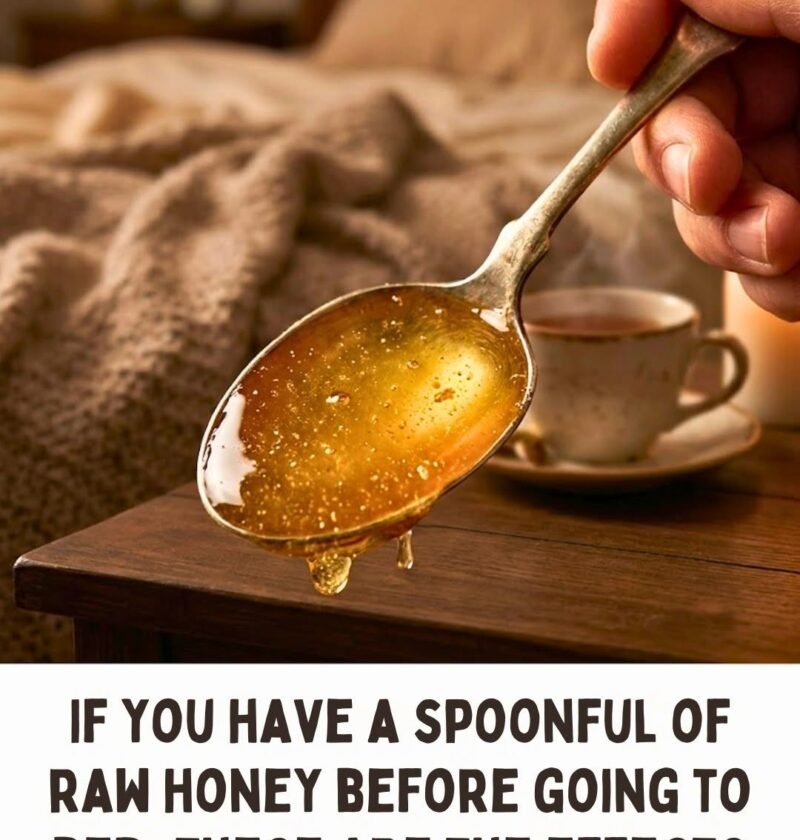
How It Works in the Body
-
Nighttime cough and throat soothing (Best-supported benefit):
-
Honey’s thick, viscous texture coats irritated throat mucous membranes, reducing the cough reflex.
-
Its mild antimicrobial and antioxidant compounds also calm local throat irritation. Clinical studies consistently show that a spoonful of honey before bed reduces nighttime coughing and improves sleep quality in people with upper respiratory colds as well as—or better than—some over-the-counter cough suppressants.
-
-
Steady overnight liver glycogen & blood sugar:
-
Your brain uses energy continuously while you sleep, drawing from glycogen stored in the liver.
-
Honey provides a roughly 1:1 mix of fructose and glucose. Fructose is processed slowly by the liver to replenish liver glycogen, while glucose provides a mild insulin bump. In theory, keeping liver glycogen topped up helps prevent subtle overnight drops in blood sugar that could trigger stress hormones (cortisol and adrenaline) to wake you up.
-
-
Indirect support for sleep hormones (Tryptophan → Melatonin):
-
The gentle rise in insulin triggered by honey’s natural sugars helps clear competing amino acids from the bloodstream, making it slightly easier for tryptophan to cross into the brain, where it converts into serotonin and then melatonin (your sleep-regulating hormone). (Note: This effect is mild—honey is a gentle nudge, not a sedative.)
-
What It Does NOT Do (Separating Fact from Viral Claims)
-
It does not “burn fat while you sleep”: Honey is calorie-dense—1 tablespoon has about 60–64 calories and ~17 grams of sugar. Taking extra honey on top of your normal diet adds calories rather than triggering overnight weight loss.
-
It is not a cure for chronic insomnia: If sleeplessness is driven by stress, caffeine, screen time, or sleep apnea, a spoonful of honey alone will not fix it.
Practical Tips & Safety Precautions
-
Keep the portion modest: Stick to 1 teaspoon to 1 tablespoon about 20–30 minutes before bed—either straight off the spoon or stirred into warm (not boiling) chamomile tea or warm milk.
-
Brush your teeth afterward: Because honey is sticky and high in sugar, letting it sit on your teeth all night increases the risk of cavities.
-
Never give honey to infants under 1 year old: Honey can contain Clostridium botulinum spores, which can cause infant botulism, a rare but serious illness in babies under 12 months.
-
Check with your doctor if you have diabetes or prediabetes: Honey still raises blood glucose and must be accounted for in your daily carbohydrate plan.