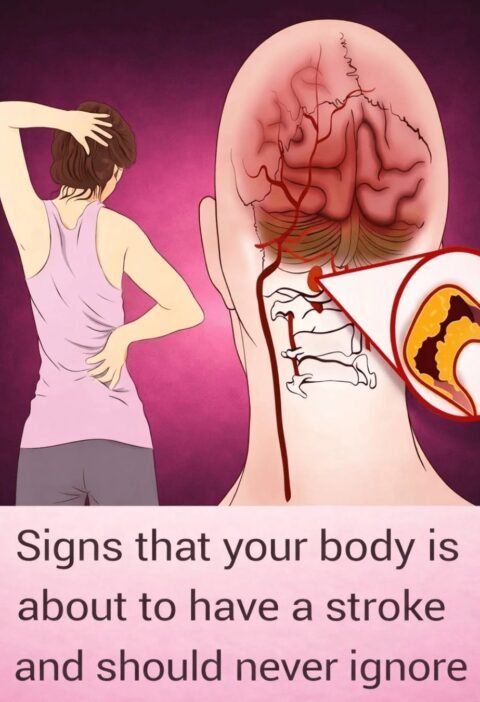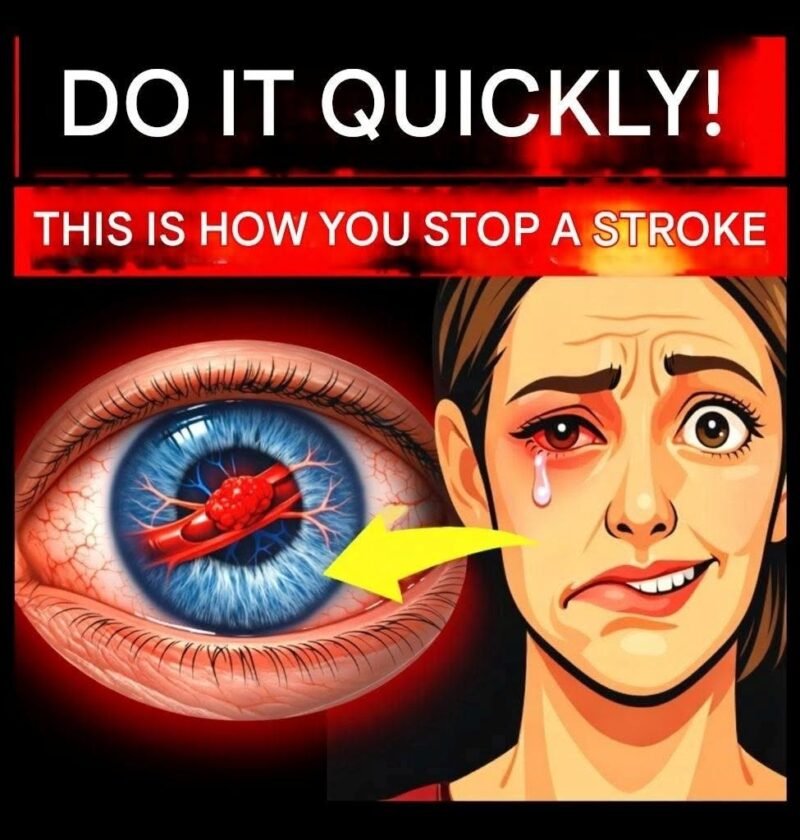
Step 1: Recognize the Signs Immediately (BE FAST)
-
B – Balance: Sudden loss of balance, dizziness, or trouble walking.
-
E – Eyes: Sudden blurred, double, or lost vision in one or both eyes.
-
F – Face: Facial drooping or numbness on one side (ask the person to smile—is it uneven?).
-
A – Arm: Weakness or numbness in one arm or leg (ask them to raise both arms—does one drift downward?).
-
S – Speech: Slurred speech, trouble speaking, or difficulty understanding simple sentences.
-
T – Time: Call emergency services immediately. Do not wait to see if symptoms pass.
Step 2: What to Do While Waiting for Emergency Help
-
Call emergency services right away (in Pakistan, dial 1122 for Rescue 1122) or get to the nearest stroke-capable hospital immediately.
-
Always prefer an ambulance if available, as paramedics can notify the hospital’s stroke team in advance. Do not let the person drive themselves.
-
-
Note the exact time symptoms started (or when the person was “last known well”):
-
Doctors rely on this exact timestamp to determine whether clot-busting drugs can be safely administered. If the person woke up with symptoms, note the time they went to sleep.
-
-
Keep the person safe and comfortable:
-
Help them lie down on their side with their head and shoulders slightly elevated (around 30 degrees), especially if they feel nauseous, drowsy, or have trouble swallowing—this prevents choking if they vomit.
-
Loosen tight clothing around the neck (collars, ties, scarves).
-
-
Stay calm and monitor breathing and responsiveness:
-
If the person becomes unresponsive and stops breathing normally, begin CPR immediately until emergency responders arrive.
-
Step 3: Critical Things NOT to Do in the First Hours
| Avoid This | Why It Is Dangerous |
| Do NOT give aspirin or blood thinners | While aspirin helps heart attacks, roughly 15–20% of strokes are hemorrhagic (bleeding in the brain). Giving aspirin before a brain CT scan can worsen brain bleeding fatally. |
| Do NOT give food, water, or oral medications | Stroke frequently impairs swallowing reflexes, creating a high risk of choking or aspiration pneumonia. |
| Do NOT give blood pressure pills to rapidly lower BP | Slightly elevated blood pressure in the first hours is often the body’s way of pushing blood past a blockage into the brain. Dropping it abruptly at home can worsen brain damage. |
| Do NOT let them “sleep it off” | Even if symptoms fade after a few minutes (a TIA or “mini-stroke”), urgent hospital evaluation is essential—a full stroke often follows within hours or days. |
What Happens in the First Hours at the Hospital
-
Immediate brain scan (CT or MRI): Performed within minutes of arrival to distinguish between an ischemic stroke (blocked artery) and a hemorrhagic stroke (brain bleed).
-
Targeted treatment: If it is an ischemic stroke and within the treatment window, doctors administer intravenous thrombolytics (tPA / tenecteplase) and/or perform a mechanical thrombectomy to extract the clot.
If you or someone near you is experiencing any of these symptoms right now, stop reading and call 1122 (or your local emergency number) immediately.