1. How to Stop a Cramp Right Now (Immediate Relief)
-
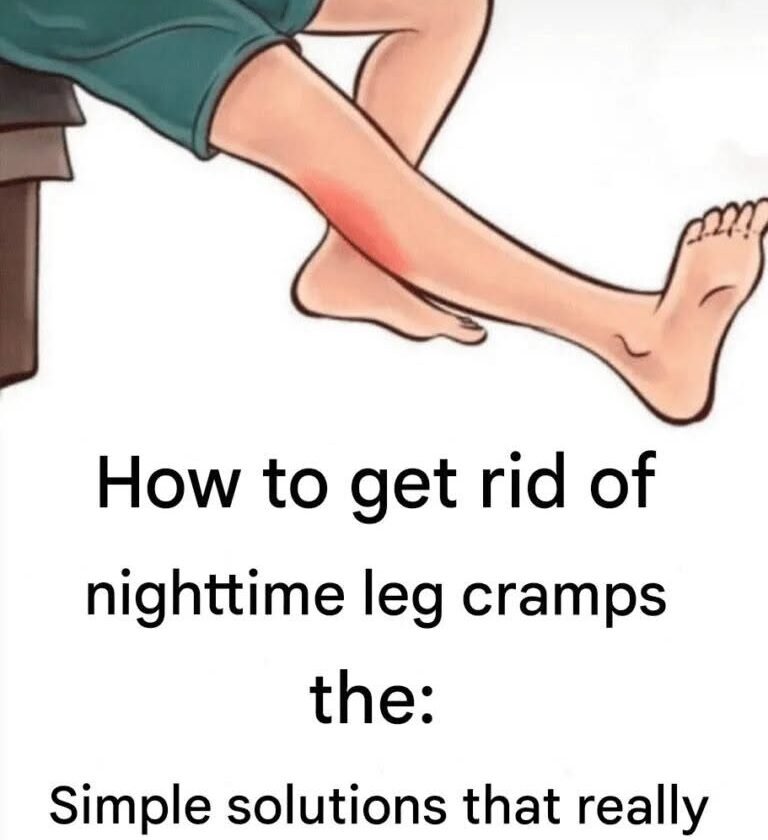
Flex your foot upward (dorsiflexion): Sit up, extend your leg straight, and pull your toes firmly toward your shin (either using your hand or looping a towel/sheet around the ball of your foot). Hold for 15–30 seconds until the muscle releases.
-
Stand and put weight on the leg: Step onto a cool floor and gently press your heel down while leaning slightly forward to stretch the calf under body weight.
-
Apply warmth and gentle massage: Once the acute spasm eases, massage the tight knot upward toward the knee or apply a warm compress/heating pad to relax lingering soreness.
2. Proven Ways to Prevent Nighttime Cramps
-
Do a 60-second pre-bed calf stretch: Stand facing a wall an arm’s length away, place one foot back with the heel flat on the floor, and lean forward for 30 seconds per leg right before getting into bed.
-
Loosen tight bedsheets: Heavy blankets tucked tightly at the foot of the bed push your toes downward (plantarflexion) all night, which puts the calf in a shortened position primed to cramp. Leave slack at the foot of the bed or sleep with a pillow under your knees if on your back.
-
Stay steadily hydrated and check key electrolytes: Sip water consistently throughout the day rather than chugging right before sleep, and include potassium- and magnesium-rich foods (bananas, leafy greens, beans, nuts, yogurt).
-
Move gently after long sitting or heavy workouts: A 5-minute walk or light stationary cycling before bed reduces nerve misfiring after sedentary days or intense exercise.