Safety vs. Quality Guidelines
| Chicken Type | Recommended Storage (Best Quality) | Safe to Eat After 2 Years? |
| Whole Chicken | Up to 12 months | Yes, if kept continuously frozen at ≤ 0°F (-18°C) |
| Chicken Pieces (breasts, thighs, wings) | Up to 9 months | Yes, if kept continuously frozen at ≤ 0°F (-18°C) |
| Ground Chicken | 3–4 months | Yes, if kept continuously frozen at ≤ 0°F (-18°C) |
When You Should Throw It Out
-
Power outages or thawing occurred: If the freezer lost power for an extended period (common during summer load-shedding if there is no backup) and the chicken thawed above 40°F (4°C) before refreezing, bacteria may have multiplied.
-
Off-odors after thawing: Once thawed in the refrigerator, raw chicken should smell neutral. If it smells sour, sulfur-like, or putrid, discard it immediately—cooking will not make spoiled meat safe.
-
Slimy or sticky film: A slimy residue on the surface after thawing is a sign of bacterial spoilage.
What to Expect & How to Cook It Best
-
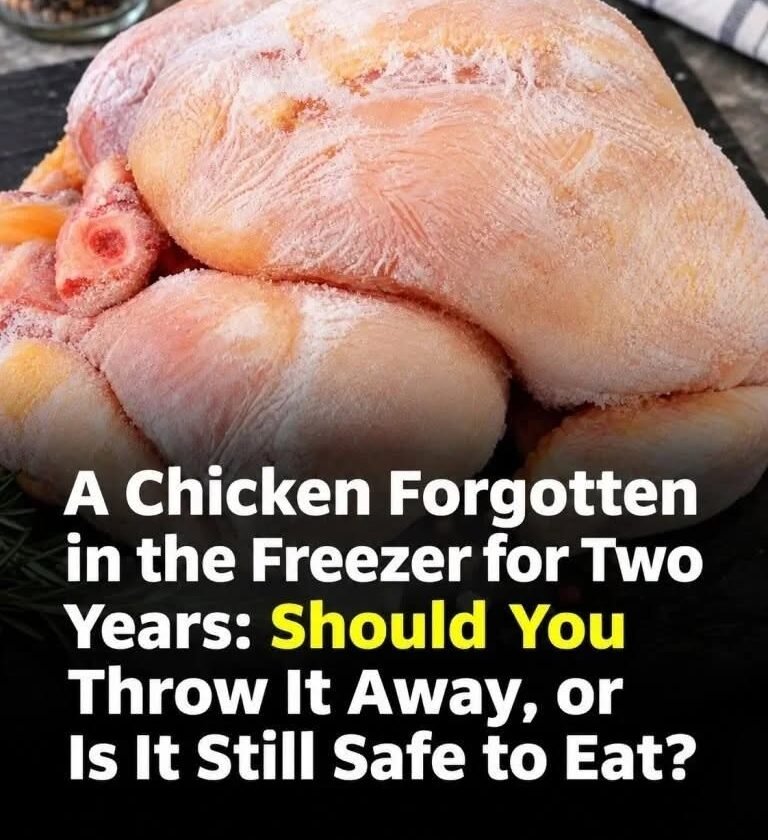
Freezer Burn: After 2 years, you will likely see dry, grayish-brown, leathery patches on the surface. Freezer burn is simply moisture loss and oxidation—it is safe to eat, though tough and tasteless. Trim away heavily freezer-burned areas before or after cooking.
-
Thaw Safely: Thaw it in the refrigerator (allow 24 hours per 4–5 lbs), in a leak-proof bag submerged in cold tap water changed every 30 minutes, or cook it directly from frozen (increasing cooking time by about 50%). Never thaw it on the kitchen counter at room temperature.
-
Best Cooking Methods: Because 2-year-old frozen chicken tends to be drier, avoid dry-heat methods like plain grilling or pan-searing. Instead, use moist-heat dishes—such as curries, stews, soups, slow-cooked shreddable chicken, or braised dishes—where sauces and broth restore moisture and flavor.
-
Cook to Temperature: Ensure the thickest part reaches an internal temperature of 165°F (74°C).