Why These Headlines Exist (Clickbait vs. Reality)
-
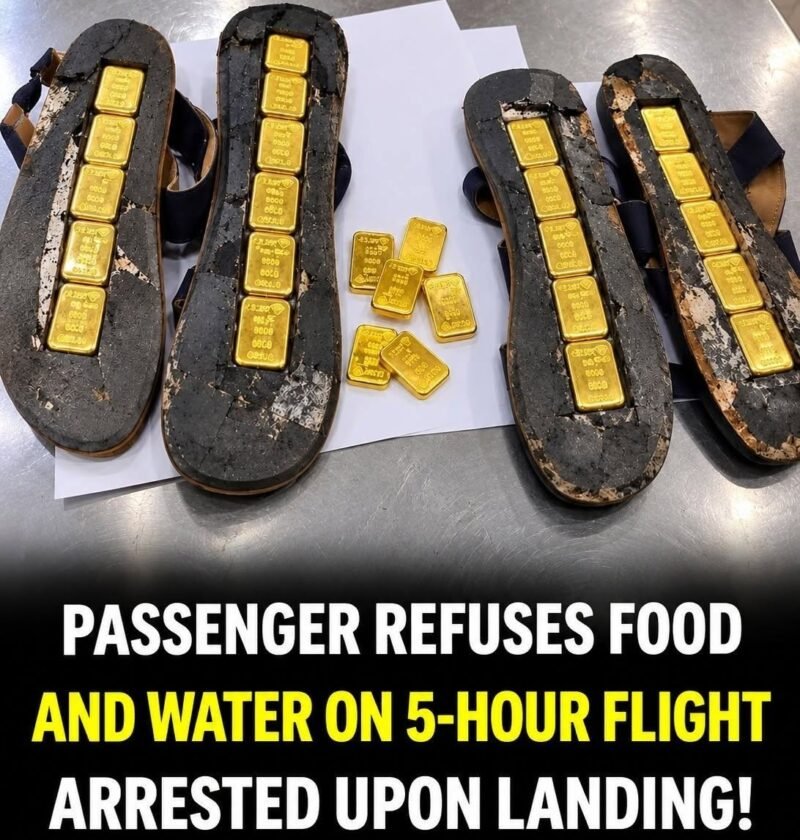
The viral storytelling formula: Content farms frequently recycle real—but rare—customs arrests involving drug mules (“body packers” who swallow sealed pellets of narcotics and avoid eating or drinking so they don’t trigger bowel movements mid-flight) and strip away all the actual context.
-
What really triggers aviation security or customs alerts: In real life, flight crews do not call police simply because someone skips a snack or sleeps through beverage service. Law enforcement involvement only happens when multiple genuine red flags overlap—such as visible medical distress (sweating, severe abdominal pain, confusion), erratic behavior, passport/manifest anomalies flagged before takeoff by border agencies, or security threats.
Everyday, Completely Normal Reasons Passengers Skip In-Flight Food & Drink
-
Sleeping, fasting, or jet-lag management: Many travelers intentionally fast on flights to adjust their circadian rhythm to a new time zone, follow intermittent fasting or religious fasts, or simply sleep straight through a 5-hour trip.
-
Motion sickness or sensitive stomach: Skipping airplane food and sugary/carbonated drinks is one of the most common ways people prevent nausea, bloating, and gas expansion at cabin altitude.
-
Dietary restrictions, allergies, or food quality: Passengers with celiac disease, severe food allergies, kosher/halal requirements, or a dislike of airplane meals routinely decline cabin service—or brought their own snacks.
-
Avoiding airplane lavatories: Many flyers limit fluids before and during medium-haul flights simply to avoid squeezing into cramped aircraft bathrooms.
-
Buy-on-board pricing: On most North American, European, and regional flights under 5–6 hours, food (and sometimes even drinks) costs extra, so most of the cabin declines service anyway.
Practical Takeaway for Travelers
-
You never need to force yourself to eat or drink to “look normal”: Declining meal service is routine for flight attendants and carries zero legal or security consequences.
-
Just take care of your own comfort: Because cabin air is very dry (~10%–20% humidity), sipping a little water or standing/stretching occasionally on a 5-hour flight helps prevent mild dehydration, headaches, and stiff legs—purely for your comfort, not to satisfy crew suspicion.