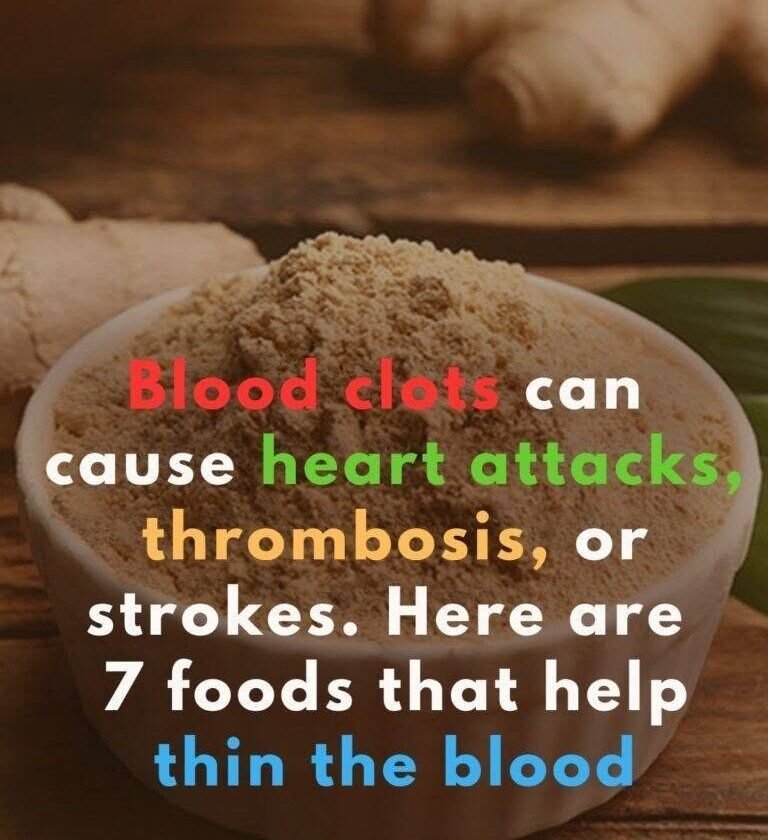
7 Foods Often Highlighted for Mild Blood-Thinning Effects
-
Fatty Fish (Salmon, Mackerel, Sardines): Rich in omega-3 fatty acids (EPA and DHA), which can modestly reduce platelet clumping and support overall cardiovascular health. Normal meals are part of a balanced diet, while high-dose fish oil supplements are more likely to prolong bleeding time when combined with anticoagulants or antiplatelets.
-
Garlic: Contains sulfur compounds (such as allicin) that have shown mild antiplatelet effects in lab and clinical studies. Culinary amounts are generally fine, whereas concentrated garlic supplements or large raw intakes carry a stronger potential interaction with blood thinners.
-
Ginger: Contains gingerols and related compounds that may mildly inhibit platelet aggregation. Everyday cooking or tea is typically gentle, though heavy or concentrated intake warrants caution if you take anticoagulants or antiplatelets.
-
Turmeric: Its active compound, curcumin, has anti-inflammatory and mild antiplatelet properties. Spicing food with turmeric differs substantially from taking high-potency curcumin capsules or extracts, which pose a higher bleeding-interaction concern with blood thinners.
-
Berries (Blueberries, Strawberries, Cranberries): Naturally contain salicylates (chemically related to aspirin) and polyphenols. Eating whole berries is healthy and typically mild in effect, though concentrated cranberry products or large sudden shifts in intake can sometimes be flagged alongside certain anticoagulants.
-
Cinnamon (Especially Cassia Cinnamon): Contains trace amounts of coumarin, a naturally occurring compound related to the chemical class of warfarin. Light culinary use is common, while heavy daily intake of cassia cinnamon carries both liver and potential anticoagulant considerations.
-
Nuts, Seeds, and Vegetable Oils (Almonds, Sunflower Seeds, Olive Oil): Provide vitamin E and unsaturated fats. High supplemental doses of vitamin E can interfere with vitamin K and increase bleeding risk on anticoagulants, whereas moderate dietary intake from whole foods is a normal part of nutrition.
Why “Food vs. Medication” Matters
-
Foods aren’t a substitute for prescribed therapy: If you have atrial fibrillation, a prior blood clot, a mechanical valve, or recent stent/stroke care, dietary tweaks cannot replace prescribed anticoagulants or antiplatelets.
-
Consistency matters more than cutting out healthy foods: If you take warfarin, sudden spikes or drops in vitamin K foods (like leafy greens) can swing your INR more reliably than normal food portions of the items above, while concentrated herbal/oil supplements are the bigger bleeding culprits. Direct oral anticoagulants (such as apixaban or rivaroxaban) do not work through vitamin K the way warfarin does, though supplement and drug interactions still merit a pharmacist or doctor check.
-
Watch for bleeding warning signs: If you take blood thinners or aspirin and notice unusual bruising, frequent nosebleeds, gums bleeding easily, or dark/reddish stools, check with your healthcare team promptly.