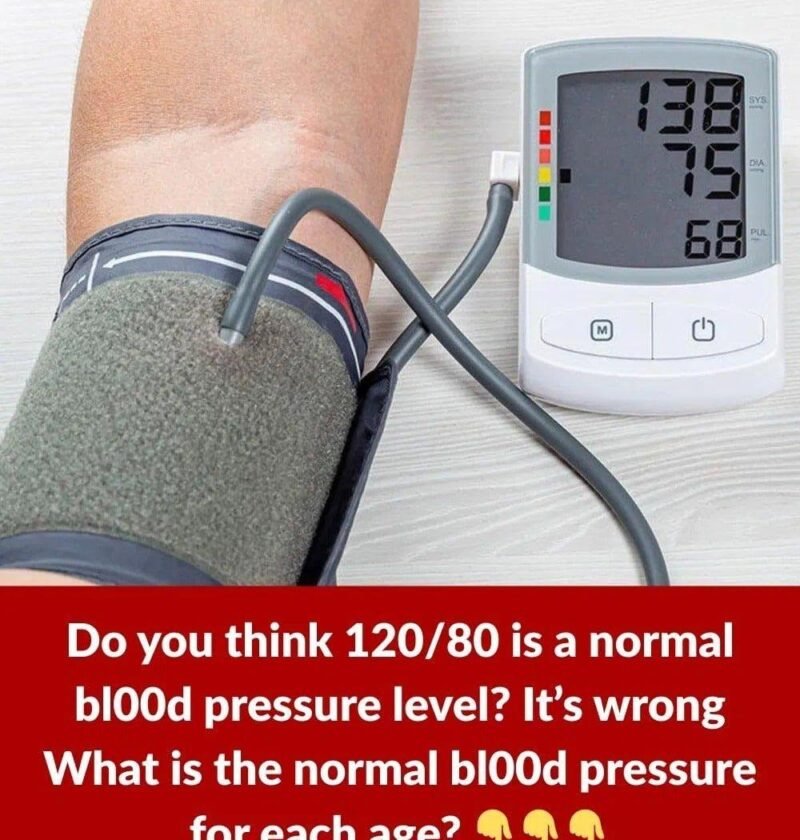
Typical Normal Blood Pressure Ranges by Age
| Age Group | Typical Normal Range (Systolic / Diastolic) | Clinical Notes |
| Newborns (0–1 month) | 60–90 / 20–60 mmHg | Lowest at birth; rises steadily over the first few weeks of life. |
| Infants (1–12 months) | 87–105 / 53–66 mmHg | Varies by body size and whether the baby is calm or crying. |
| Toddlers (1–3 years) | 95–105 / 53–66 mmHg | Pediatric targets depend on exact height and sex percentiles. |
| Preschoolers (3–5 years) | 95–110 / 56–70 mmHg | Routine blood pressure screening typically begins around age 3. |
| School-Age Children (6–12 years) | 97–112 / 57–71 mmHg | Evaluated against pediatric age, sex, and height charts. |
| Adolescents (13–17 years) | Less than 120 / 80 mmHg | From age 13 onward, pediatric guidelines align with standard adult thresholds. |
| Adults (18–39 years) | Less than 120 / 80 mmHg | Optimal resting range; average readings often sit around 110–118 / 70–76 mmHg. |
| Adults (40–59 years) | Less than 120 / 80 mmHg | Risk of gradual elevation rises with age, making periodic home or clinic checks valuable. |
| Older Adults (60+ years) | Less than 120 / 80 mmHg | Optimal target remains under 120/80 mmHg, though doctors sometimes personalize treatment targets (e.g., under 130/80 mmHg) to avoid dizziness or falls. |
Adult Blood Pressure Categories
-
Normal: Less than 120 systolic AND less than 80 diastolic
-
Elevated: 120–129 systolic AND less than 80 diastolic
-
High Blood Pressure (Stage 1): 130–139 systolic OR 80–89 diastolic
-
High Blood Pressure (Stage 2): 140 or higher systolic OR 90 or higher diastolic
-
Hypertensive Crisis: Higher than 180 systolic AND/OR higher than 120 diastolic (requires immediate medical attention, especially if accompanied by chest pain, shortness of breath, back pain, numbness/weakness, vision changes, or trouble speaking)
Understanding the Two Numbers
-
Systolic (Top Number): The pressure in your arteries when your heart contracts and pumps blood out.
-
Diastolic (Bottom Number): The pressure in your arteries when your heart relaxes between beats.
How to Get an Accurate Reading at Home
-
Rest first: Sit quietly for 5 minutes before taking a measurement.
-
Watch your posture: Keep your feet flat on the floor, your back supported, and your cuffed arm resting on a flat surface at heart level.
-
Avoid recent triggers: Skip caffeine, exercise, and smoking for at least 30 minutes beforehand, and empty your bladder first (a full bladder can temporarily bump readings up by 10–15 mmHg).
-
Track trends, not single spikes: Blood pressure fluctuates naturally throughout the day; logging two readings a minute apart morning and evening for a week gives a much clearer picture than one isolated check.