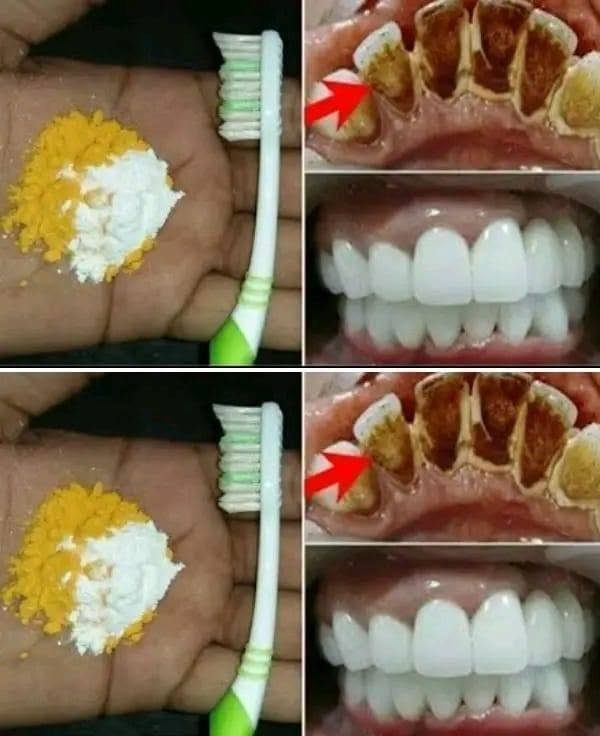
Internet shortcuts and viral DIY videos love to promise dramatic makeovers—like achieving a blindingly white smile in just two minutes using kitchen hacks. While superficial surface stains from coffee, tea, and berries can indeed be lifted quickly with certain abrasive agents, dental professionals urge caution when trying rapid “miracle” whitening fixes at home.
True dental health is a balance between lifting stains and protecting your precious tooth enamel. Here is what you need to know about fast home whitening, the science behind how it works, and how to do it safely without harming your teeth.
The Reality of “2-Minute” Whitening
When a quick home method seems to work instantly, it is usually due to mechanical abrasion, not a chemical bleaching process.
-
Surface vs. Deep Stains: The outer layer of your tooth, called enamel, can accumulate yellowish external stains from chromogens in food and drinks. A mild abrasive agent can buff those surface particles away rapidly, revealing the slightly brighter enamel underneath.
-
The Limitation: It cannot change the intrinsic, natural color of your dentin (the yellowish layer beneath the translucent enamel), which is determined largely by your genetics.
The Classic “Grandma-Style” Polishing Method (and Its Risks)
One of the most common traditional home remedies involves mixing baking soda with lemon juice or hydrogen peroxide to create a quick polishing paste.
How It Works:
-
Baking Soda: Acts as a mild, gentle abrasive that buffs away surface plaque and food stains.
-
The Catch with Acid: Many quick recipes combine baking soda with acidic lemon juice. While the fizzing action feels powerful, citric acid temporarily softens and demineralizes your tooth enamel. Scrubbing teeth while the enamel is softened by acid can permanently wear away your protective barrier, leading to increased sensitivity and yellowing over time (as the underlying, yellow dentin becomes exposed).
Safer Ways to Brighten Your Smile at Home
If you want a brighter smile without compromising your dental integrity, skip harsh, highly acidic DIY scrubs and lean toward these dentist-approved, low-impact habits:
-
The Gentle Baking Soda Polish (Occasional Use):
-
Instead of mixing baking soda with lemon juice, mix a small pinch of plain baking soda with a few drops of water or your regular toothpaste once a week. Gently brush for 1 to 2 minutes to lift surface stains safely without acid erosion.
-
-
The “Oil Pulling” Tradition:
-
Swishing a tablespoon of pure coconut oil around your mouth for 5 to 10 minutes (an ancient Ayurvedic practice) doesn’t bleach teeth chemically, but it helps lift oil-soluble plaque, bacteria, and debris, leaving teeth looking cleaner and brighter over time.
-
-
The Straw and Rinse Habit:
-
The most effective “whitening” trick is prevention. Drink staining beverages like coffee, black tea, or red wine through a reusable straw, and swish your mouth out with plain water immediately afterward to prevent chromogens from settling into microscopic enamel pores.
-
-
Crunchy Enamel-Cleaning Foods:
-
Eating crisp, fibrous raw foods like apples, celery, and carrots acts as a natural mechanical toothbrush, stimulating saliva production (which neutralizes acids) and gently wiping away food particles.
-
A Vital Word of Caution
If you experience sudden tooth sensitivity, gum irritation, or notice your teeth looking more transparent or yellow after trying home abrasive methods, stop immediately. Enamel does not regenerate once it is lost, so patience and gentleness will always protect your smile much better than a quick fix.