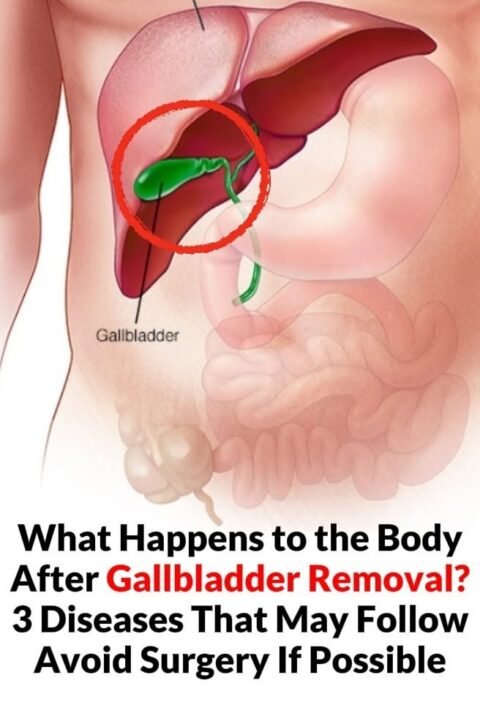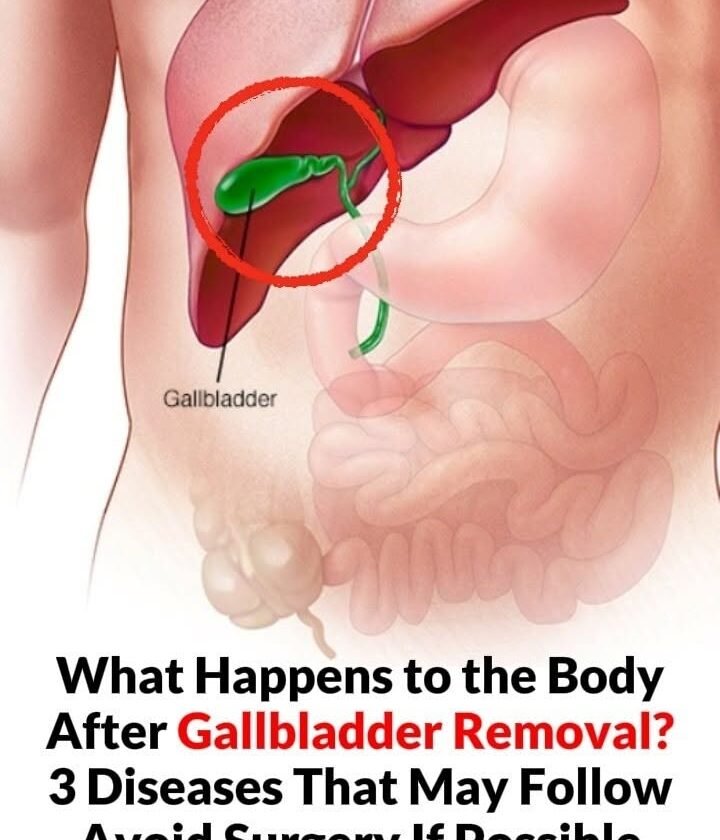
When a gallbladder is removed (a procedure known medically as a cholecystectomy), the body undergoes a fundamental plumbing shift. Normally, your gallbladder acts as a reservoir, storing and concentrating bile produced by your liver, and releasing it in controlled bursts when you eat fats.
Without a gallbladder, bile drips continuously, 24/7, straight from your liver into your small intestine. While many people adjust well, this constant flow changes the digestive landscape entirely. For a subset of patients, this structural change triggers a cascade of chronic digestive and metabolic complications often grouped under Post-Cholecystectomy Syndrome.
Here are three major conditions and diseases that can follow gallbladder removal, and why preserving or supporting your natural organ should always be a priority when possible.
1. Chronic Bile Acid Malabsorption (BAM) & Severe Diarrhea
-
What happens: Because there is no longer a storage pouch to hold bile until it’s needed, excess bile constantly trickles down into your gut. When you eat a meal that lacks enough fat or fiber to bind to it, that surplus bile irritates the lining of your colon.
-
The Result: This triggers bile acid diarrhea—a sudden, urgent, and watery form of chronic diarrhea that can persist for months or years after surgery. It forces many patients to carefully time their meals or rely on prescription bile-binder medications just to leave the house.
2. Chronic Bile Reflux Gastritis and Esophagitis
-
What happens: Bile is naturally alkaline and highly irritating to tissues that aren’t designed to handle it. Without a valve-regulated gallbladder controlling its release, continuous downward trickling can sometimes back up—or “reflux”—backward into the stomach and even up into the esophagus.
-
The Result: This constant chemical irritation eats away at the stomach lining, leading to chronic gastritis, painful stomach ulcers, and persistent acid reflux that resists standard anti-acid medications because the culprit isn’t just stomach acid—it’s raw liver bile.
3. Sphincter of Oddi Dysfunction (SOD) and Biliary Spasms
-
What happens: The Sphincter of Oddi is a tiny, ring-like muscular valve that controls the flow of digestive juices into your small intestine. After the gallbladder is removed, pressure dynamics change inside the remaining bile ducts.
-
The Result: The sphincter can begin to spasm or malfunction, mimicking the exact same sharp, agonizing upper-right-quadrant pain that you felt before you had your gallbladder taken out. Patients often feel like their gallstones came back, even though the organ is gone.
Why Avoiding Surgery (When Possible) Matters
Surgery is sometimes lifesaving—especially in cases of acute infection, severe inflammation, or complete bile duct blockage. However, when dealing with sluggish gallbladder function, “sludge,” or mild stones, many traditional remedies focus on supporting bile flow naturally (via hydration, dietary changes, and healthy fats) rather than immediate removal.
Your body was engineered with that small organ for a reason; protecting its function keeps your digestive chemistry balanced.