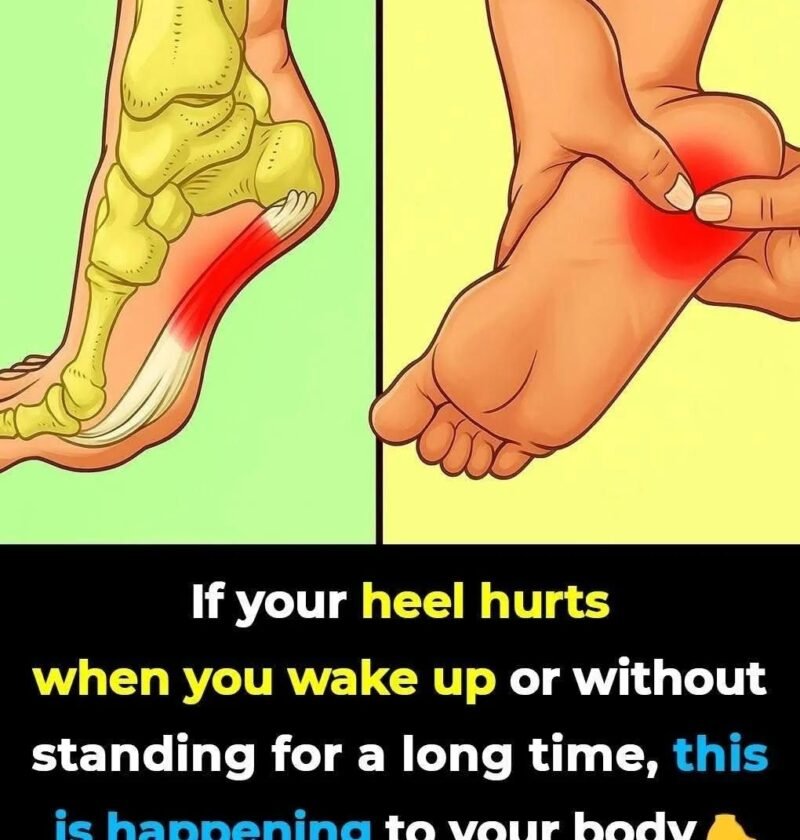
Waking up, putting your feet on the floor, and taking those first few steps only to be greeted by a sharp, stabbing pain in your heel can instantly ruin your morning. That signature “first-step pain” is extremely common, but it is rarely random—your body is signaling a specific issue in the intricate network of tissues, tendons, or nerves in your foot.
Here are the primary reasons why your heel hurts in the morning:
1. Plantar Fasciitis (The #1 Culprit)
-
What it is: The plantar fascia is a thick, web-like ligament that connects your heel bone to your toes, supporting your foot’s arch. When this band becomes inflamed, irritated, or develops microscopic tears from overuse, strain, or lack of support, it results in plantar fasciitis.
-
Why it hurts most in the morning: While you sleep, your foot naturally points downward (a position called plantarflexion). This relaxes the plantar fascia, allowing it to heal and tighten in a shortened position overnight. The moment you step out of bed, that sudden stretch snaps the newly repaired, contracted tissue, triggering that sharp, stabbing morning pain.
2. Achilles Tendonitis
-
What it is: The Achilles tendon connects your calf muscles to your heel bone. Overuse from running, sudden increases in activity, or tight calf muscles can cause micro-tears and inflammation in this tendon.
-
Why it hurts in the morning: Much like the plantar fascia, the Achilles tendon shortens and stiffens overnight. When you take your first steps, the sudden pull on a cold, tight tendon causes a dull ache or sharp pain right at the back of the heel.
3. Heel Spurs (Calcium Deposits)
-
What it is: A heel spur is a bony protrusion that forms on the underside of the heel bone. They are frequently—though not always—caused by long-term strain on the foot muscles and ligaments, often developing alongside chronic plantar fascia tension.
-
Why it hurts: While the spur itself isn’t always painful, the ongoing inflammation of the surrounding soft tissue when pressure is applied can make your first steps feel like you’re stepping on a sharp pebble.
4. B墊 Bursitis (Retrocalcaneal Bursitis)
-
What it is: A bursa is a tiny fluid-filled sac that acts as a cushion between tendons, bones, and skin. Retrocalcaneal bursitis occurs when the bursa at the back of your heel (near the Achilles tendon) becomes inflamed, often from ill-fitting shoes or excessive friction.
-
Why it hurts: Morning stiffness makes the surrounding tissues press against the inflamed bursa, causing a tender, warm ache at the very back of the heel when you start moving.
5. Stress Fractures
-
What it is: A hairline crack in the heel bone (calcaneus), usually caused by repetitive impact, sudden spikes in high-impact exercise, or thinning bones (osteoporosis).
-
Why it hurts: While a stress fracture usually throbs during and after physical activity, the structural pressure and inflammation can cause a deep, persistent ache when you first bear weight on the foot in the morning.
How to Ease That Morning Heel Pain
If you are tired of dreading your first steps out of bed, a few simple habits can help prevent the tissues from tightening up overnight:
-
Gentle morning stretches: Before your feet even touch the floor, loop a towel around the ball of your foot and gently pull your toes toward you for 30 seconds to stretch the plantar fascia and calf.
-
Supportive house shoes: Avoid walking barefoot on hard hardwood or tile floors first thing in the morning; wear supportive slippers with arch support instead.
-
Night splints: For persistent cases, a physical therapist or doctor may recommend a night splint that keeps your foot at a 90-degree angle while you sleep, preventing the fascia from contracting.
If morning heel pain persists for more than a few weeks, worsens, or is accompanied by severe swelling or numbness, consult a podiatrist or orthopedic specialist to get an accurate diagnosis.