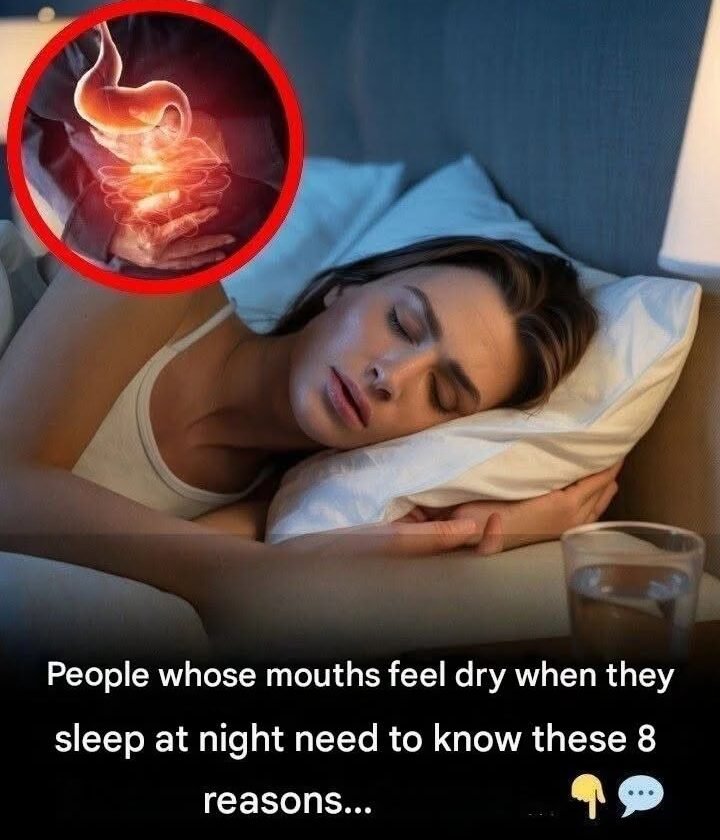
Waking up with a parched, sticky, or dry mouth is a common yet uncomfortable experience. While it is often just a sign that you need a glass of water, chronic nighttime dry mouth (medically known as xerostomia) can disrupt your sleep and impact your dental health.
Here are 8 primary reasons why your mouth might feel dry when you sleep at night:
1. Mouth Breathing and Snoring
One of the most frequent culprits of nighttime dryness is sleeping with your mouth open.
-
The Mechanism: When you breathe through your mouth instead of your nose, a continuous stream of air passes over your oral mucosa, rapidly evaporating the thin layer of saliva.
-
Triggers: This is often driven by nasal congestion (from allergies, a deviated septum, or a cold), sinus issues, or chronic snoring.
2. Medication Side Effects
Hundreds of prescription and over-the-counter drugs list dry mouth as a potential side effect.
-
Common Culprits: Antihistamines, decongestants, high blood pressure medications, antidepressants, muscle relaxants, and certain sedatives or pain relievers.
-
Why it peaks at night: If you take these medications before bed or if their systemic concentration changes overnight, the reduction in saliva production becomes much more noticeable by morning.
3. Dehydration
If your overall fluid intake during the day is insufficient, your body will instinctively conserve water for critical organs, dialing back the production of bodily fluids like saliva. Going to bed even mildly dehydrated guarantees that your salivary glands won’t have the moisture resources they need to keep your mouth lubricated through the night.
4. Alcohol, Caffeine, and Late-Day Substances
What you consume in the hours leading up to bedtime plays a major role.
-
Diuretic Effect: Alcohol, coffee, and caffeinated teas increase urine production, which can pull water from your system and lead to dehydration.
-
Tobacco Use: Smoking or chewing tobacco reduces salivary flow and irritates the lining of the mouth, making nighttime dryness much worse.
5. Obstructive Sleep Apnea (OSA) and CPAP Therapy
Sleep disorders and their treatments are frequently intertwined with dry mouth:
-
Sleep Apnea: People with OSA often experience interruptions in breathing that force them to gasp and breathe heavily through their mouths during the night.
-
CPAP Machines: If you use a Continuous Positive Airway Pressure (CPAP) machine for sleep apnea, the pressurized air flowing through the mask can dry out your nasal passages and mouth—especially if the machine’s heated humidifier isn’t set correctly or your mask leaks.
6. Underlying Medical Conditions
Chronic dry mouth can sometimes be a warning sign of an underlying health problem:
-
Autoimmune Diseases: Conditions like Sjögren’s syndrome specifically attack moisture-producing glands (including salivary and tear glands). Rheumatoid arthritis and lupus can also affect moisture levels.
-
Systemic Issues: Diabetes (especially when uncontrolled), thyroid disorders, stroke, and nerve damage affecting the head and neck can impair normal salivary gland function.
7. Environmental Factors in the Bedroom
Your immediate sleeping environment can physically dry out your mucous membranes:
-
Dry Air: Using indoor heating or air conditioning can drop bedroom humidity significantly.
-
Fans: Running a fan directly toward your face while sleeping accelerates the evaporation of moisture from your lips and open mouth.
8. Aging and Hormonal Shifts
As we age, the risk of experiencing dry mouth increases. This is rarely caused by aging alone; rather, older adults are statistically more likely to take multiple medications or develop chronic health conditions that interfere with saliva production. Additionally, hormonal shifts (such as those during menopause) can impact mucosal moisture.
Managing Nighttime Dry Mouth
If left unaddressed, chronic dry mouth can lead to an increased risk of tooth decay, gum disease, and fungal infections (like oral thrush) because saliva is essential for neutralizing acids and washing away bacteria. To find relief:
-
Keep a glass of water by the bed to sip.
-
Use a bedside cool-mist humidifier to add moisture back into the air.
-
Try using a saline nasal spray or nasal strips before bed to encourage nasal breathing.
-
Avoid alcohol-based mouthwashes and reduce late-night caffeine or alcohol.
If your dry mouth is persistent, severe, or accompanied by daytime symptoms like difficulty swallowing or persistent joint pain, consult a healthcare provider or dentist to rule out underlying systemic causes.