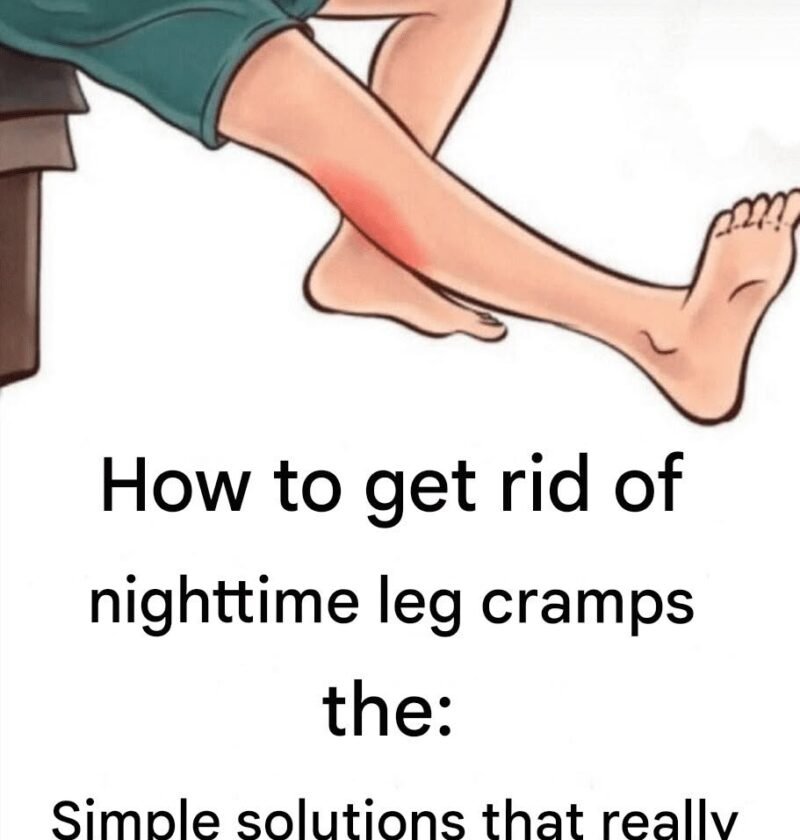
…clickbait health and wellness headlines love to use breathless, magical hooks like “Banish nighttime leg cramps forever with this 1 weird trick—sleep agony-free tonight!” to make you desperate for a quick fix when a sudden, agonizing charley horse jolts you awake in the dark.
While nocturnal leg cramps are notoriously painful and disrupt your sleep, the unvarnished medical reality is much more grounded: nighttime leg cramps are sudden, involuntary contractions of the calf or foot muscles, and while there is no instant magic cure, targeted stretching, proper hydration, and addressing underlying triggers can dramatically reduce their frequency and intensity.
Let’s separate viral internet hyperbole from actual sports medicine and physiological science.
What Actually Causes Nighttime Leg Cramps?
Doctors and researchers don’t always pinpoint a single exact cause for every cramp, but they generally point to a combination of muscle fatigue, nervous system hyperexcitability, and physical strain. Common contributors include:
-
Muscle Fatigue and Overuse: Standing for long hours on hard floors, unaccustomed intense exercise, or structural muscle strain during the day can leave muscle fibers prone to involuntary spasms at rest.
-
Dehydration and Electrolyte Shifts: Low levels of key electrolytes—specifically magnesium, potassium, and calcium, which govern nerve-to-muscle signaling—can make muscles twitch and lock up. (Note: The old myth that quinine or tonic water cures cramps is largely outdated due to FDA safety warnings regarding quinine side effects).
-
Prolonged Positioning: Pointing your toes downward for hours under heavy bed covers shortens the calf muscles, making them contract violently when stretched suddenly.
Evidence-Based Solutions That Actually Work
Skip the sketchy, expensive supplements promising overnight miracle cures. If you want real relief, focus on these proven strategies:
1. Immediate Relief: The Active Stretch
-
What to do: When a cramp strikes in the middle of the night, immediately stretch the affected muscle. If your calf is cramping, straighten your leg, flex your ankle, and pull your toes up toward your shin (dorsiflexion), or stand up and gently walk around to force the muscle to relax. Massaging the knot can also help release the contraction.
2. Preventative Daily Stretching
-
How it helps: Incorporating a simple 5-minute calf-stretching routine before bed (such as leaning against a wall with your heels flat on the floor) lengthens the muscle fibers and reduces nighttime hyperexcitability.
3. Hydration and Balanced Electrolytes
-
How it helps: Ensure you are drinking adequate water throughout the day. If you sweat heavily or have dietary restrictions, maintaining balanced levels of magnesium and potassium through whole foods (like leafy greens, nuts, seeds, and bananas) supports healthy nerve and muscle function.
4. Bedding and Sleep Posture Adjustments
-
How it helps: Keep your bed covers loose at the foot of the bed so your feet aren’t forced into a downward-pointed position (plantar flexion) all night long.
When to See a Doctor
While most nighttime leg cramps are entirely harmless (though intensely painful), you should consult a physician if your cramps are severe, happen constantly, occur alongside significant muscle weakness, or are accompanied by swelling and redness in the legs, which can sometimes indicate underlying circulatory or neurological issues.
The Bottom Line
Nighttime leg cramps are an annoying and painful physiological glitch, but you can manage them effectively with consistent daily stretching, smart hydration, and immediate action when a spasm hits.